Backflow Prevention: Protect Your Water Supply from Contamination
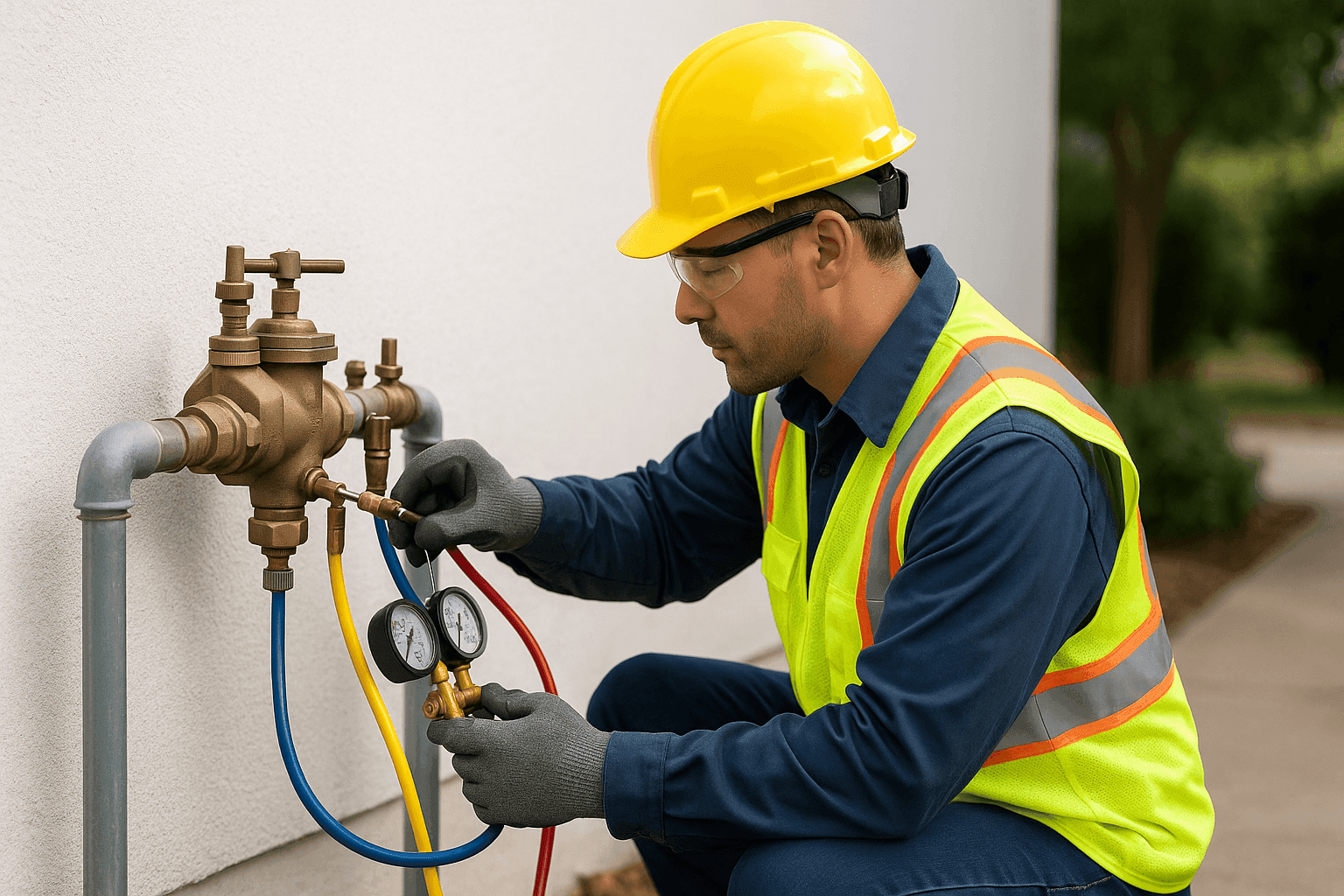
Water is life. But what happens when the water you trust—at home or your business—faces threats you can’t see? Contaminated water isn’t something to gamble with. Whether you’re a homeowner or run a commercial property, backflow can sneak up like a shadow, putting health, safety, and legal compliance at risk.
Matrix Plumbing knows the codes. We see the emergencies. We handle water heater installation near you, but also the invisible hazards lurking in your pipes. Let’s break down backflow prevention—so you can keep your water supply safe, pure, and reliable.
What is Backflow? 🚰
Picture your plumbing as a one-way street. Water should flow from the main into your building, not the other way around. Sometimes, though, pressure flips. Maybe a water main breaks, a hydrant opens, or your own system hiccups. Suddenly, water reverses course.
That’s backflow. It’s the plumbing equivalent of a river running backward. Clean water mixes with used, dirty, or even chemically contaminated water. This reversal can happen in homes, offices, restaurants—anywhere water flows.
There are two main types:
- Backpressure: When downstream pressure (from your heating system, boiler, or pumps) exceeds supply pressure, forcing water back into the main.
- Backsiphonage: When supply pressure drops (think firefighting, breaks, or heavy demand), creating suction that pulls water—sometimes from contaminated sources—back in.
Even a simple garden hose left in a puddle can siphon dirty water into your pipes if pressure dips. Small mistake, big consequences.
Risks of Water Contamination
Backflow isn’t just a plumbing nuisance—it’s a genuine threat to health and safety.
- Bacteria and Viruses: Disease-causing microorganisms, including E. coli and Salmonella, can enter through cross-connections.
- Chemicals: Lawn fertilizers, pesticides, cleaning fluids, or industrial chemicals may back up into your drinking water.
- Heavy Metals: Rust, lead, or copper may leach into the supply when pipes corrode or cross-connections are present.
- Legal Trouble: Local, state, and federal codes (like the Uniform Plumbing Code or Safe Drinking Water Act) require backflow prevention. Failure to comply can mean fines, shutdowns, or even lawsuits.
Imagine making coffee or filling a child’s glass, not knowing that invisible hazards lurk in every drop. Your water supply is only as safe as your weakest link.
Prevention Devices Explained 🛠️
The good news? Backflow is preventable. Specialized devices act like security guards for your water, blocking contaminants from ever entering the supply.
Common Backflow Prevention Devices
- Air Gap: The simplest and most reliable. Think of a faucet that sits above the sink with space in between—air prevents water from flowing backward.
- Atmospheric Vacuum Breaker (AVB): A one-way valve that shuts if water tries to reverse.
- Pressure Vacuum Breaker (PVB): Works under continuous pressure, often on irrigation systems.
- Double Check Valve Assembly (DCVA): Two check valves in tandem. Used for moderate hazards (like fire sprinklers or commercial kitchens).
- Reduced Pressure Zone (RPZ) Assembly: The gold standard for high-hazard situations—industrial, medical, or chemical facilities.
Each device fits specific risks. The right choice depends on your property, water use, and local code requirements. A Matrix Plumbing technician will always recommend—and install—the proper device for your needs.
Testing & Maintenance
Installing a backflow device is just the start. Like a smoke alarm, it only works if it’s functional.
Why Testing Matters
- Annual Certification: Most areas require yearly testing by a certified backflow tester. Inspectors check for leaks, valve operation, and compliance.
- After Plumbing Work: Any major repair, repiping, or emergency plumbing event should trigger a re-test.
- Documentation: Keep records of every test. Authorities or insurance may require proof.
Signs of Trouble
- Noticeable drop in water pressure
- Discolored or odd-smelling water
- Unexplained leaks near devices
If you suspect a problem, call Matrix Plumbing for immediate inspection. Don’t wait—water quality can change in a heartbeat.
Commercial vs Residential Compliance 🏢🏠
Backflow rules aren’t one-size-fits-all. Your legal and health obligations depend on your property type.
Commercial Properties
- Stricter Codes: Restaurants, offices, medical buildings, and industrial sites face higher scrutiny.
- Device Upgrades: RPZs or DCVAs are often required for high-risk uses.
- Routine Inspections: Some cities demand semi-annual or quarterly testing.
- Recordkeeping: Failure to document can halt business operations.
Residential Properties
- Air Gaps & AVBs: Usually sufficient for most homes.
- Seasonal Hazards: Outdoor irrigation, pools, or hose bibs—these are common risk points.
- Testing Schedules: Annual checks are usually enough, but local codes may vary.
No matter your property, ignoring backflow compliance is like leaving your doors unlocked. Regulators and health officials are watching—protect yourself and your community.
Quick Safety Checklist
Before you pour that next glass of water, run through these essentials:
- Check for visible cross-connections (e.g., hoses submerged in buckets or pools)
- Inspect your backflow valve location (know where it is)
- Schedule annual testing with a certified technician
- Never bypass or remove prevention devices
- Stay updated on local code requirements (your city or county may change rules)
- If you notice odd tastes, smells, or sediments, call for emergency plumbing help
DIY vs. Call a Pro
It’s tempting to tackle plumbing jobs yourself—but backflow prevention isn’t a weekend project.
DIY Risks
- Incorrect installation = device failure
- Missed code compliance = fines or unsafe water
- Lack of certification = failed inspections
When to Call Matrix Plumbing
- Installing or replacing a backflow device
- Annual testing and certification
- Emergency water quality issues
- Water heater installation near you (professional plumbers can spot cross-connection risks during other jobs)
Our certified technicians have the training and tools mandated by state and local authorities. Safety doesn’t cut corners.
What Pros Do On Arrival
Here’s what you can expect when a Matrix Plumbing specialist arrives:
- Inspection: Locate all cross-connections and assess risk points.
- Device Testing: Use precision gauges to check valve performance and pressure.
- Documentation: Complete official reports for code compliance.
- Repairs or Upgrades: If needed, recommend and install the right device.
- Review: Walk you through findings and next steps.
It’s thorough, methodical, and always up to code.
Prevention & Maintenance
Backflow prevention works best when it’s part of your overall plumbing routine.
- Annual Testing: Book it like a dental checkup—don’t skip.
- Visual Checks: Watch for leaks, corrosion, or tampering.
- Educate Staff or Household: Make sure everyone knows not to bypass or tamper with devices.
- Update with Renovations: If you remodel or add fixtures, re-evaluate your backflow setup.
- Coordinate with Other Services: When scheduling water heater installation, sump pump repair, or sewer line work, mention your backflow devices.
The Centers for Disease Control and Prevention (CDC) and Environmental Protection Agency (EPA) recommend routine backflow checks as part of public health strategy.
Costs & Time Factors
Backflow prevention isn’t free, but the price of contamination—both financial and personal—is much higher.
- Device Costs: Range widely depending on type and risk ($—$$$$).
- Testing Fees: Usually charged per device; certification required.
- Time: Most tests take less than an hour. Installation or replacement may require water shutoff—plan ahead.
- Penalties: Fines for non-compliance can be steep, especially for commercial properties.
Regular maintenance saves money in the long run by avoiding emergencies and regulatory headaches.
When It’s an Emergency
Some backflow events require immediate action. Here’s when to call Matrix Plumbing for emergency plumbing services:
- Sudden drop in water pressure across your building
- Unexplained water discoloration or foul smells
- Noticeable taste changes in tap water
- Devices leaking, hissing, or broken
- Local authorities issue a boil order or contamination warning
Don’t wait for morning. Water quality can degrade fast—and health is on the line.
FAQ
How often should I test my backflow prevention device?
Most codes require annual testing by a certified professional. Some commercial properties may need more frequent checks.
What happens if my device fails inspection?
A failed test means your device isn’t protecting your water supply. Matrix Plumbing will recommend immediate repairs or replacement to restore safety and compliance.
Can backflow devices be installed anywhere?
They must be installed at specific, code-approved locations. Positioning depends on your plumbing system, risk level, and local regulations.
Who enforces backflow prevention rules?
Local water authorities, building departments, and sometimes state agencies. The Uniform Plumbing Code and Safe Drinking Water Act set national standards.
Local/Seasonal Considerations 🌦️
Backflow risks can rise with the seasons.
- Spring: Irrigation systems and garden hoses are common culprits.
- Winter: Frozen pipes and sudden pressure changes can trigger backflow.
- Storms/Flooding: Increased demand or water main breaks elevate risk in both homes and businesses.
- Construction: Nearby roadwork or plumbing projects may disrupt pressure.
Stay alert. Schedule preventative maintenance, especially before peak risk periods.
Your water doesn’t have to be a mystery. With the right backflow prevention and regular care, you can protect your home or business, meet every code, and drink with confidence.
Call Matrix Plumbing now — or reach us anytime at 855-506-6855 .