Bathroom Plumbing Guide: Avoiding Leaks, Clogs, and Water Damage
Have you ever watched water creep across a bathroom floor, heart racing, imagining what’s happening behind the walls? Or noticed that musty smell that clings to the air after a leak? At Matrix Plumbing, we know how quickly a small drip can turn into a costly disaster for both homes and businesses.
Bathroom plumbing issues don’t wait for a convenient time. They can strike in the middle of the night or during peak business hours. Mold, water damage, and hygiene problems can spiral out of control if ignored. That’s why a little knowledge—and some fast action—can keep your bathrooms dry, safe, and welcoming.
Common Bathroom Plumbing Risks 🚰
Every bathroom, whether it’s a family’s master suite or a busy commercial restroom, faces a handful of repeat offenders. Some are silent. Others announce themselves with a bang.
- Leaky Faucets & Showerheads: That persistent drip is more than annoying. It wastes water and can lead to rot or mold in cabinets and walls.
- Running Toilets: Like a marathoner who never stops, these toilets bleed gallons of water every single day.
- Clogged Drains & Toilets: Hair, soap, wipes, and more combine to form stubborn blockages. Overflows can create slip hazards and breed bacteria.
- Hidden Pipe Leaks: Unseen, these can soak drywall, damage floors, and become a playground for mold spores.
- Faulty Sump Pumps & Overflows: Particularly in commercial setups, a failed sump pump can cause widespread flooding during storms or plumbing failures.
- Low Water Pressure: A sign of mineral buildup or hidden leaks, not just an inconvenience.
- Sewer Line Backups: The worst-case scenario. Raw sewage where it doesn’t belong, posing serious health risks.
According to the Environmental Protection Agency, even small household leaks can waste nearly 10,000 gallons of water every year. In a commercial setting, the costs and risks multiply.
Leak and Clog Prevention
Your best defense? A blend of good habits and regular checks.
- Don’t treat your toilet like a trash can. Even “flushable” wipes aren’t safe for plumbing.
- Install drain screens in showers and sinks to trap hair and debris.
- Watch for slow drains. They’re an early warning system. Act before they become a full blockage.
- Tighten fittings gently. Over-tightening can crack pipes or fixtures.
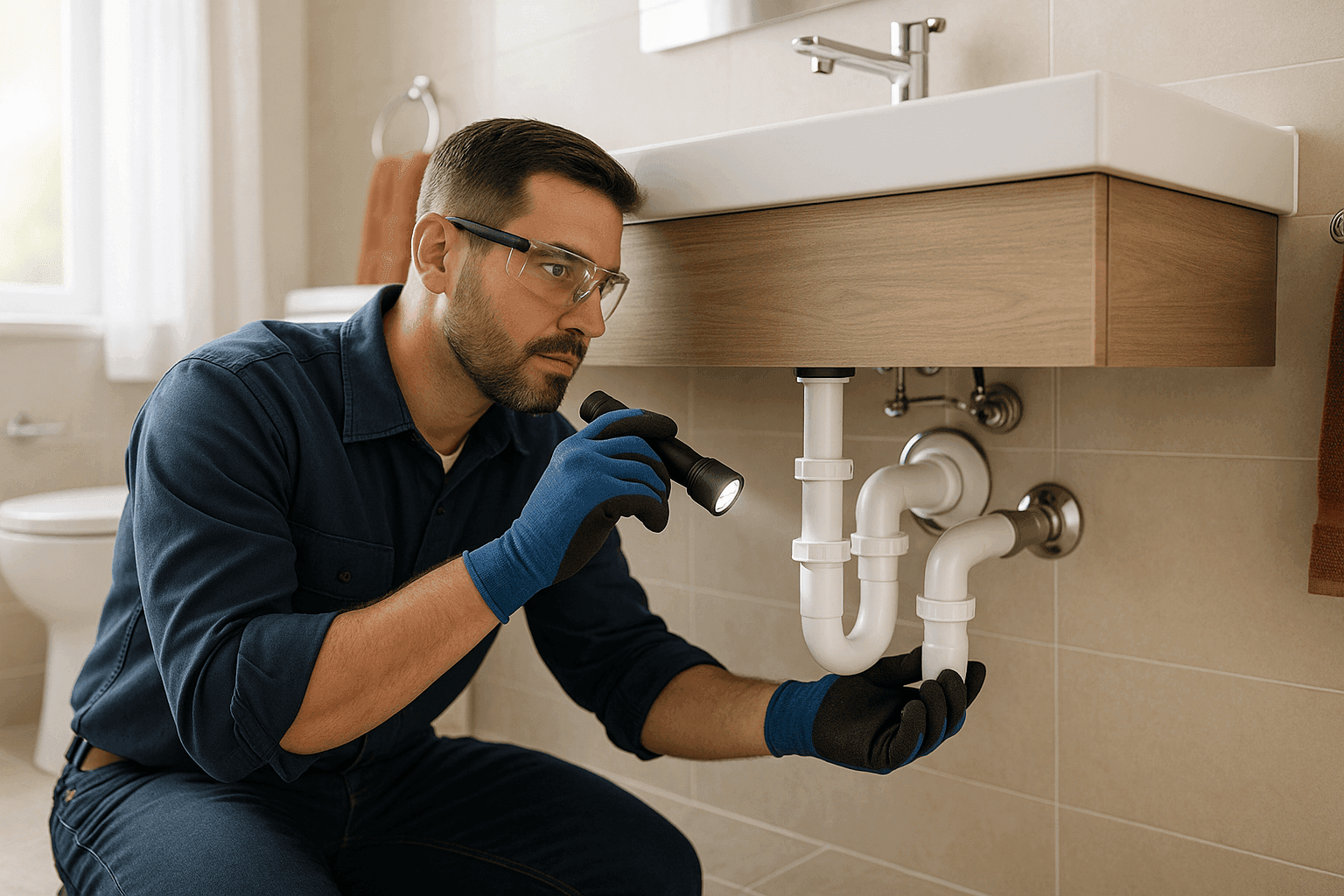
- Check under sinks for signs of moisture or mold. Even a little musty odor can signal a hidden problem.
- Schedule routine inspections—especially in high-use commercial restrooms. The National Association of Home Builders recommends annual plumbing checks for older buildings.
- Know where your shutoff valves are. Seconds count when water is gushing.
For businesses, staff training is crucial. Make sure employees know how to spot and report leaks or clogs. In public restrooms, post clear signs about what not to flush.
Quick Repair Tips
Some fixes can be handled with a wrench and a little patience. Others? Not so much.
- Leaky faucet: Turn off the water supply. Replace worn washers or cartridges. If the dripping continues, the valve seat may be worn out.
- Clogged sink or tub: Use a plunger or a drain snake. Skip chemical drain cleaners—they can damage pipes and are a hazard in commercial settings.
- Running toilet: Replace the flapper or adjust the float. Sometimes, sediment in the tank is the culprit.
- Loose connections: Hand-tighten, then give a gentle twist with a wrench. Never overdo it.
But remember: if water is gushing, flooding, or smells foul, it’s time to call for emergency plumbing help. Water damage and mold start fast.
Upgrading Fixtures
Old or outdated fixtures aren’t just an eyesore. They can be leak-prone, inefficient, and hard to clean.
- Low-flow toilets and faucets save water (and money) without sacrificing performance.
- Touchless fixtures in commercial restrooms improve hygiene and reduce the spread of germs.
- Modern shutoff valves and braided supply lines can prevent catastrophic leaks.
- Water filtration systems protect fixtures from mineral buildup and improve water quality.
- Boiler or water heater installation near you can instantly improve hot water delivery and efficiency.
The International Association of Plumbing and Mechanical Officials (IAPMO) recommends upgrading to fixtures that meet current codes for both safety and efficiency.
Signs You Need a Pro 🛠️
Not every bathroom issue is a DIY fix. Call Matrix Plumbing if you notice:
- Persistent leaks that return after quick fixes.
- Stains or soft spots on walls, floors, or ceilings.
- Musty odors or visible mold. Mold can trigger allergies and damage building materials.
- Backed-up drains affecting multiple fixtures—a sign of sewer line trouble.
- Unusual sounds (gurgling, banging) in pipes.
- Sudden spikes in water bills with no obvious reason.
In commercial restrooms, unresolved leaks or clogs can lead to code violations or even shutdowns.
Mold, Water Damage, and Hygiene: The Unseen Threats
Water that escapes from pipes doesn’t just vanish. It seeps into walls, under tiles, and into subfloors. There, mold spores find their paradise—dark, damp, and unbothered, they multiply and release that unmistakable musty smell.
Mold isn’t just unsightly. According to the Centers for Disease Control and Prevention (CDC), it can cause respiratory issues, especially in children and those with allergies. Water damage also weakens floors, ruins drywall, and can destroy expensive finishes in both residential and commercial properties.
In public restrooms, standing water or slow leaks can create slip hazards and hygiene nightmares. Routine plumbing maintenance is as much about safety as it is about comfort.
Preventative Maintenance for Bathrooms
Think of your plumbing like the brakes on your car. Ignore the warning signs, and you’ll end up with a much bigger problem.
- Annual plumbing inspections catch small leaks before they become geysers.
- Flush your water heater once a year to reduce sediment buildup.
- Test shutoff valves to make sure they move freely when you need them.
- Check caulking and grout around tubs and sinks. Gaps let water sneak behind walls.
- Inspect flexible supply lines—replace if they’re over 5 years old or cracking.
- Have backflow testing done in commercial settings to protect against contamination.
Matrix Plumbing recommends following local building codes and referencing guidelines from the International Code Council (ICC) for plumbing safety and best practices.
Quick Safety Checklist 📝
- Locate main and fixture shutoff valves now.
- Keep a plunger and drain snake handy.
- Use rubber gloves and eye protection for DIY repairs.
- Never mix cleaning chemicals—dangerous fumes can result.
- Know the number for emergency plumbing help.
When It’s an Emergency
Not sure if it’s urgent? Here’s when to pick up the phone—day or night:
- Burst pipes (water everywhere, rapid flooding)
- Sewage smells or visible sewage
- Major leaks you can’t stop
- No water at all or only scalding hot water
- Gas smells (leave immediately and call emergency services, then your plumber)
Response time matters. Water spreads fast. Mold sets in quickly. In commercial spaces, downtime equals lost business and liability.
Costs & Time Factors
Bathroom plumbing repairs range from quick fixes to multi-day projects:
- Minor leaks or clogs: Often solved in under an hour, with minimal disruption.
- Fixture installation or replacement: 1–3 hours, depending on complexity.
- Sewer line repair or repiping: May take a full day or longer, especially for commercial properties.
- Water damage restoration: Can extend to multiple days, especially if mold remediation is needed.
Costs depend on materials, access, and the severity of the issue. Fast action almost always means less expense and less disruption.
FAQ
How can I tell if I have a hidden leak?
Watch for unexplained spikes in water bills, musty smells, or damp spots on walls and floors.
Are chemical drain cleaners safe?
Generally, no. They can corrode pipes and are hazardous, especially in commercial restrooms.
What’s the most common cause of toilet clogs?
Flushing non-flushable items like wipes, feminine hygiene products, or excessive paper.
Is mold always visible if there’s a leak?
No. Mold often grows behind walls or under floors. Trust your nose—musty odors are a warning sign.
Local and Seasonal Considerations
In colder climates, frozen pipes are a winter hazard. Insulate pipes in exterior walls and always keep the heat on in vacant commercial buildings.
For older homes and commercial properties, vintage plumbing may not meet modern codes. Schedule a plumbing audit to uncover hidden vulnerabilities.
Heavy rains can strain sump pumps and sewer lines. Ensure emergency plumbing service contacts are saved in your phone, and test backup systems seasonally.
Don’t let a small leak become a big problem. For 24/7 emergency plumbing, Water Heater Installation near you, or routine bathroom plumbing maintenance, Matrix Plumbing is ready to help.
Call Matrix Plumbing now — or reach us anytime at 855-506-6855 .