How to Choose the Best Water Filtration System for Your Property
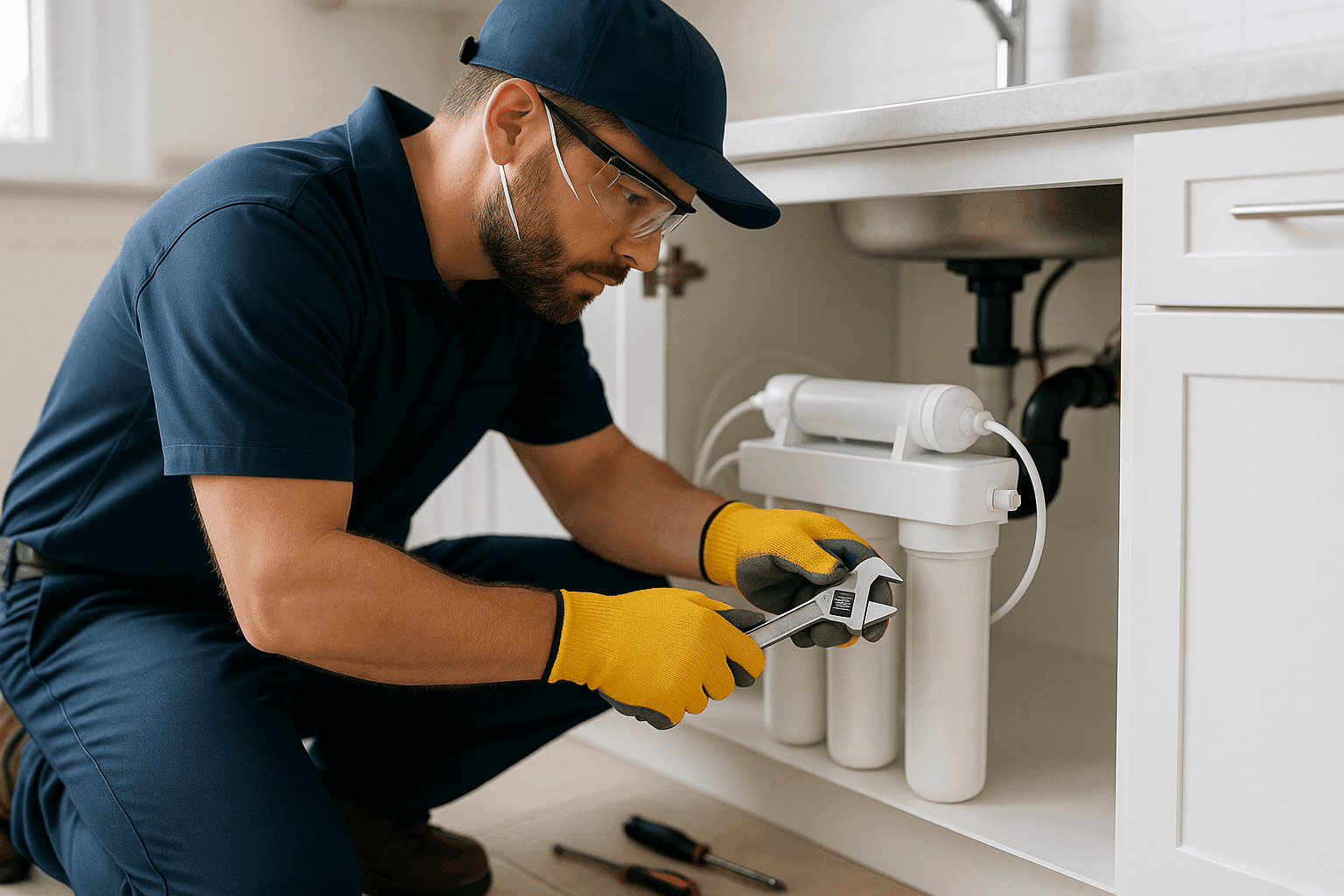
Are you tired of water that tastes off or leaves spots on everything it touches? Maybe you’ve seen buildup in your sinks, or heard about new safety guidelines from your city. Whether you’re a homeowner or run a busy commercial kitchen, clean water isn’t just a luxury—it’s a necessity.
At Matrix Plumbing, we know plumbing emergencies don’t wait for a convenient time. The same goes for water quality problems. A small issue today can lead to bigger headaches tomorrow, from health concerns to compliance fines. Let’s make sense of your options for water filtration—without the jargon, just the facts you need.
Why Water Filtration Matters 💧
Water is the heart of any property. You drink it. Wash with it. Cook with it. If your water isn’t clean, everything downstream suffers. Contaminants like chlorine, lead, or bacteria can sneak into your supply, affecting both the taste and your health.
For families, filtered water means peace of mind—especially for kids, seniors, or anyone with sensitive immune systems. In a commercial setting, it’s about more than taste. Regulations set by the Environmental Protection Agency (EPA) and local health codes require certain standards. Falling short can mean fines or shutdowns.
Clean water also protects your investment. Plumbing fixtures last longer. Appliances work better. You’ll spend less on repairs, replacements, and the emergency plumbing visits no one wants to make.
Types of Filtration Systems
When it comes to filtering your water, there’s no single “right” answer. It’s more like picking out a new pair of shoes—what fits your neighbor might not fit you. Here’s a quick look at the main types you’ll see:
Reverse Osmosis (RO)
Think of this as a super-fine net. RO systems force water through a semi-permeable membrane, leaving behind contaminants as small as a single grain of sand. They’re great for removing minerals, metals, and even some viruses. If you want water as pure as it gets, RO is a solid choice.
- Removes: Lead, arsenic, nitrates, some bacteria and viruses.
- Best for: Drinking water systems, ice makers, commercial kitchens.
Carbon Filters
Activated carbon works like a sponge with billions of tiny pores. It grabs onto chemicals that cause bad taste or odor—like chlorine—and traps them.
- Removes: Chlorine, sediment, volatile organic compounds (VOCs).
- Best for: Whole-house systems, faucet filters, refrigerator lines.
UV (Ultraviolet) Purifiers
Imagine a security checkpoint for germs. UV systems zap water with intense light, destroying bacteria and viruses without adding chemicals.
- Removes: Bacteria, viruses, certain parasites.
- Best for: Wells, properties with known microbial risk, restaurants.
Whole-House Filtration
Like a bouncer at the door, these systems treat every drop entering your property. They combine filters—carbon, sediment, sometimes UV—to handle multiple threats at once.
- Removes: Varies by system; can target sediment, chemicals, microbes.
- Best for: Homes with multiple bathrooms, businesses, properties with hard water.
Choosing the Right System
Picking the right system is a bit like solving a puzzle. The right fit depends on what’s in your water, how much you use, and what you care about most.
Start With a Water Test
Before you buy, test your water. Many cities provide annual water quality reports (Consumer Confidence Reports). If you’re on a well or want detailed info, consider a private lab. Look for:
- Lead and heavy metals
- Chlorine/chloramine levels
- Hardness (calcium, magnesium)
- Bacteria or cysts
The results will point you toward the right filter.
Match the System to Your Needs
Ask yourself:
- Health: Are there immune-compromised people at home? Do you have staff or customers with dietary restrictions?
- Taste: Is odor or flavor a big issue? Carbon filters shine here.
- Regulation: Some businesses must meet strict health codes.
- Volume: A busy restaurant uses more water—and needs a bigger system—than a studio apartment.
Consider Ongoing Costs
Don’t just look at the price tag. Think about replacement filters, water use, and energy costs. Some systems need more maintenance than others.
Think Ahead
If you plan to expand your property or add new appliances, choose a system that’s easy to upgrade. It’s much easier to plan for the future now than redo everything later.
Professional vs DIY Installation 🛠️
You might be handy with a wrench. But water filtration isn’t always a weekend project.
DIY: When It Works
Small under-sink units or pitcher filters can be quick installs. If you have basic tools, clear instructions, and a little patience, you might handle it yourself.
- Pros: Saves on labor, immediate satisfaction.
- Cons: Easy to make mistakes—cross-threaded pipes or leaks can cause water damage or void warranties.
Professional Installation: The Safe Bet
For whole-house, reverse osmosis, or complex commercial systems, call in the pros. Licensed plumbers (like Matrix Plumbing) know local codes, correct placement, and how to avoid hidden pitfalls.
- Ensures compliance with code (see the Uniform Plumbing Code for reference)
- Prevents leaks and costly damage
- Professional testing for flow rate and pressure
- Correct disposal of old filters or hazardous materials
If you’re searching for “Water Heater Installation near you” or emergency plumbing, the same pros can handle filtration during larger projects—a smart way to bundle services and minimize downtime.
Maintenance & Replacement
A water filter is a bit like a coffee maker: ignore it, and you’ll notice. Proper maintenance keeps everything running smoothly.
Filter Changes
- Carbon filters: Replace every 3–6 months (depends on use and water quality)
- RO membranes: Every 2–3 years
- UV bulbs: Annually
Set reminders or mark your calendar. Some smart systems even alert you when it’s time.
System Flushing
Flushing your system prevents buildup and keeps water tasting fresh. Follow manufacturer instructions or ask your installer for a quick demo.
Inspections
Whether it’s a small leak or a drop in water pressure, small signs mean it’s time for a checkup. Don’t wait for an emergency plumbing call—regular inspections catch problems early.
Record Keeping
Keep track of filter changes, test results, and service visits. It’s simple, but pays off if you ever need to troubleshoot or show compliance for your business.
Key Takeaways
- Test your water before choosing a filtration system.
- Match the system to your specific needs—health, taste, compliance, and volume.
- For complex or whole-house systems, professional installation is safest.
- Set a schedule for filter changes and maintenance.
- Keep records to simplify troubleshooting or compliance.
Real-World Tips
- If you have hard water stains, look for a system with a built-in softener.
- Restaurants: Check local health department guidelines for required filtration.
- Don’t ignore “small” leaks—today’s drip can be tomorrow’s flood.
References
- Environmental Protection Agency (EPA) Safe Drinking Water Act
- Uniform Plumbing Code (UPC)
- CDC Guidelines for Water Filtration
Call Matrix Plumbing now — or reach us anytime at 855-506-6855 .