How to Detect and Fix Hidden Plumbing Leaks Before They Cause Damage
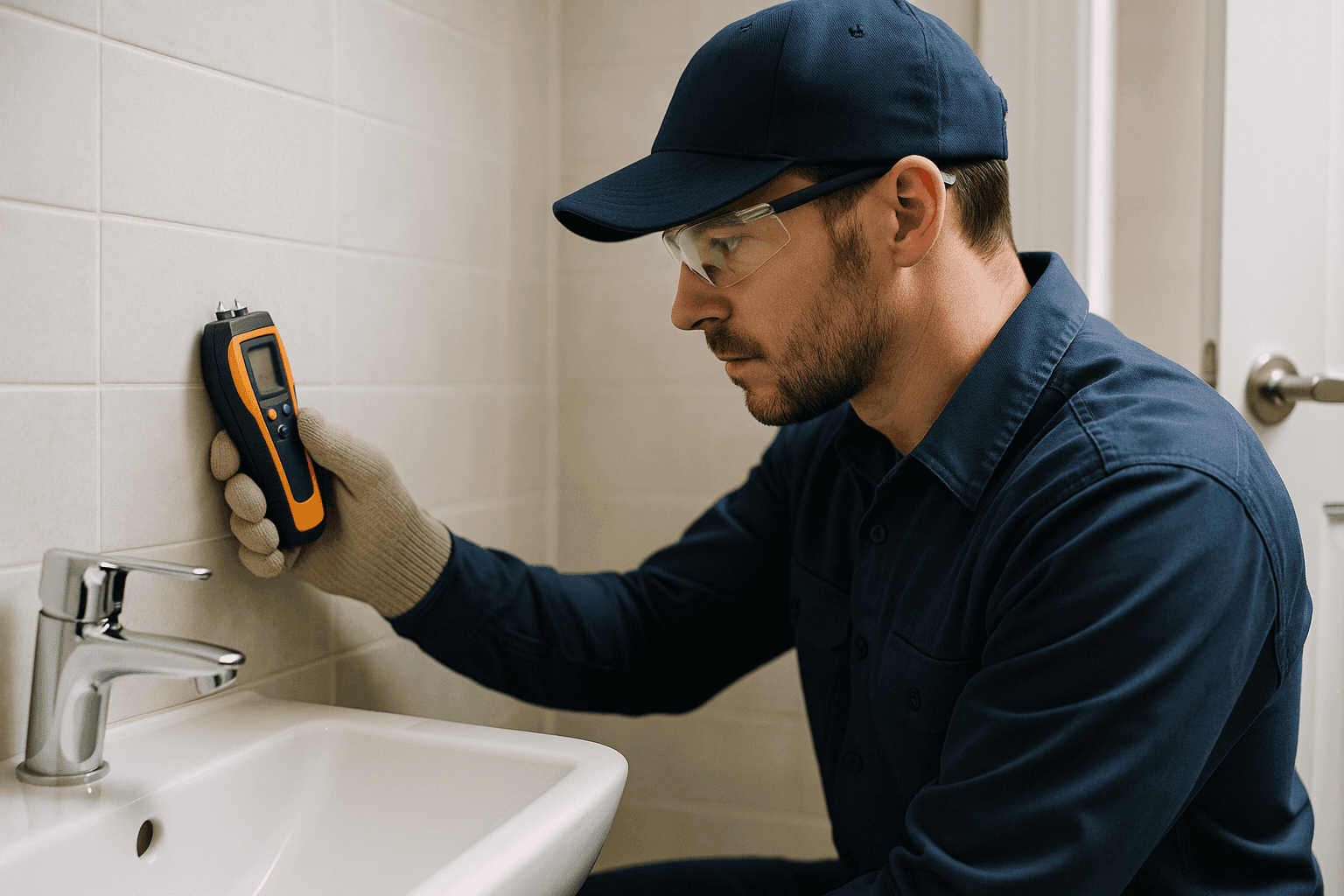
Hidden plumbing leaks are like silent tricksters in your walls or under your floors. You rarely see them coming, but the damage they cause can leave your home or business in a soggy, expensive mess. At Matrix Plumbing, we know that even a small, hidden leak can spiral into warped floors, moldy walls, and sky-high water bills if left untreated.
If you’re reading this, you’re already a step ahead. Spotting leaks early isn’t just about saving money—it’s about protecting the place you care about most. Let’s walk through the signs, the steps you can take, and when it’s time to call in emergency plumbing help.
Why Hidden Plumbing Leaks Are a Serious Problem
A hidden leak is more than just a drip. It can quietly erode wood, ruin insulation, and create the perfect playground for mold. Unlike a burst pipe that announces itself with a flood, these leaks sneak in, often going unnoticed until the damage is done.
- Water waste: Even a pinhole leak can waste thousands of gallons a year.
- Structural damage: Water seeps into drywall, studs, and subfloors, weakening your home’s bones.
- Health risks: Dampness breeds mold and mildew, which can trigger allergies and respiratory issues.
The stakes are high. That’s why catching leaks early is so important.
Quick Safety Checklist Before You Investigate 🛑
Before you go hunting for leaks, keep safety front and center:
- Turn off electricity in any area where you suspect water may have reached outlets or wiring.
- Wear rubber-soled shoes if you’re checking damp areas.
- Don’t open up walls or ceilings unless you know what’s behind them—pipes and wires may be present.
- Know where your main water shutoff is in case you find a major leak.
For more safety tips, check the guidance from the International Association of Certified Home Inspectors and your local building codes.
Common Signs of Hidden Plumbing Leaks
Some leaks hide better than others, but most leave clues. Keep an eye (and ear) out for these telltale signs:
- Sudden spike in your water bill: If your usage habits haven’t changed, but your bill has, something’s up.
- Damp or discolored spots: Patches on walls, ceilings, or floors that feel damp or look stained.
- Mold or mildew smell: A musty odor signals water where it shouldn’t be.
- Peeling paint or wallpaper: Moisture behind walls can bubble and peel surfaces.
- Unusual sounds: Listen for hissing, dripping, or running water when everything else is quiet.
- Low water pressure: Persistent drops in pressure can indicate a leak in the line.
- Warm spots on floors: Especially if you have radiant heating or hot water pipes underfoot.
Sometimes, you’ll spot more than one sign. Trust your instincts—if something feels off, it probably is.
DIY Leak Detection: What You Can Check Yourself
You don’t need a plumber’s toolkit to spot the basics. Here’s how to play detective:
1. Check Your Water Meter
- Turn off all water-using appliances and fixtures.
- Note the meter reading.
- Wait two hours (don’t use any water).
- If the reading changes, you likely have a leak.
2. Visual Inspections
- Look under sinks, behind toilets, and around appliances for puddles or corrosion.
- Inspect ceilings and walls for stains or bubbling paint.
- Check around your water heater for moisture or rust.
3. The Toilet Dye Test
- Add a few drops of food coloring to your toilet tank.
- Wait 30 minutes without flushing.
- If color appears in the bowl, the flapper or valve may be leaking.
4. Listen for Clues
- At night, when the house is quiet, listen for faint dripping, hissing, or running water.
5. Check Appliances and Fixtures
- Inspect hoses on washing machines, dishwashers, and refrigerators for cracks or bulges.
- Look for water pooling around the base of toilets and tubs.
If you find anything suspicious, it’s time to dig deeper—or call in the pros.
DIY vs. Call a Pro: Knowing Your Limits
There’s plenty you can do yourself, but some leaks hide too well or require special tools to find and fix. When should you call Matrix Plumbing?
DIY Is Fine For:
- Tightening loose fittings under sinks.
- Replacing worn washers or supply lines.
- Running basic tests (like the water meter or dye test).
Call a Professional Plumber When:
- The leak is inside walls, ceilings, or under slabs.
- You notice mold growth or structural damage.
- DIY fixes don’t stop the problem.
- Water is pooling in unexpected places.
- You hear water running but can’t find the source.
Modern leak detection uses technology like thermal imaging and acoustic sensors—tools designed to find what you can’t see or hear. Don’t risk tearing up your home hunting for a phantom drip.
What Pros Do On Arrival: Professional Leak Detection
When Matrix Plumbing arrives, we bring more than just wrenches and pipe tape. Here’s how a professional tackles hidden leaks:
Step 1: Assessment
- Ask about symptoms and recent changes.
- Inspect visible plumbing and affected areas.
Step 2: Advanced Leak Detection
- Thermal imaging cameras spot temperature changes behind walls or under floors.
- Acoustic leak detectors listen for the sound of water escaping under pressure.
- Moisture meters measure dampness in drywall, wood, or concrete.
Step 3: Pinpoint the Leak
- Narrow down the exact location with non-invasive tools.
- Minimize damage—no need to rip up floors or walls unnecessarily.
Step 4: Plan the Repair
- Explain options clearly—whether it’s a simple pipe patch, fixture replacement, or more involved work like repiping.
The process is efficient, thorough, and follows standards set by organizations like the American Society of Plumbing Engineers (ASPE).
Step-by-Step: Common Leak Repair Methods
Not every leak is the same. Here’s how the most common ones are fixed:
Leaking Pipes
- Small pinhole leaks: Shut off water, dry the area, and apply an epoxy putty or pipe clamp as a temporary fix. Permanent repair usually means replacing the damaged section.
- Cracked pipes: Cut out the damaged section and install new piping with proper fittings. Always use materials that meet plumbing codes.
Leaky Fixtures (Faucets, Toilets)
- Faucets: Replace worn washers, O-rings, or cartridges. Tighten connections.
- Toilets: Replace the flapper, fill valve, or wax ring as needed.
Appliances (Water Heaters, Dishwashers)
- Water heaters: Check for leaks at the pressure relief valve or drain valve. Replace faulty parts or, if the tank itself is leaking, the unit may need replacement.
- Dishwashers/washers: Tighten or replace hoses and clamps.
Slab or Underground Leaks
- These require specialized repair—often rerouting pipes or using trenchless repair methods to avoid major demolition.
Always follow manufacturer instructions and plumbing codes. When in doubt, call an emergency plumbing service.
Prevention & Maintenance: How to Avoid Future Leaks 🛠️
An ounce of prevention is worth a gallon of cleanup. Make leak checks a regular habit:
- Inspect regularly: Check under sinks, around appliances, and in basements or crawl spaces every few months.
- Replace old hoses: Especially on washing machines and dishwashers—every 5 years or sooner if they show wear.
- Monitor water pressure: High pressure stresses pipes. Install a pressure regulator if needed (ideal range: 40–60 psi).
- Insulate pipes: Especially in unheated spaces, to prevent freezing and cracking.
- Schedule annual plumbing inspections: A pro can spot what you might miss.
- Install water leak detectors: Battery-powered alarms or smart sensors can alert you to leaks early.
The International Plumbing Code recommends regular maintenance and inspections to keep systems safe and efficient.
Costs & Time Factors: What to Expect
Leak repairs can range from a quick fix to a major project. Here’s what can affect the cost and timeline:
- Location of the leak: Hard-to-reach leaks (inside walls, under slabs) take more time and effort.
- Severity: Small leaks may be fixed quickly, while larger issues (like repiping) take longer.
- Materials: Some repairs require specialized parts or upgraded materials.
- Labor: Emergency plumbing calls outside normal hours may cost more.
Most simple leaks can be fixed in a couple of hours. Complex jobs might take a day or more. Always ask for a clear explanation of the work before it starts.
When It’s an Emergency: Don’t Wait
Some leaks can’t wait. Call for emergency plumbing if:
- Water is flooding your home or business.
- You’ve lost water pressure suddenly.
- You smell gas near plumbing lines.
- Electrical systems may be affected by water.
Quick action can mean the difference between a minor repair and a major renovation.
FAQ: Hidden Plumbing Leaks
How can I tell if a leak is behind a wall?
Look for damp spots, peeling paint, or a musty smell. Professionals use thermal or acoustic tools to confirm.
Is mold always a sign of a leak?
Often, yes—especially if it’s near plumbing lines or in areas that shouldn’t be damp.
Will insurance cover water damage from a hidden leak?
Policies vary. Many cover sudden, accidental leaks but not long-term neglect. Check your policy and act quickly.
Can a small leak really cause big problems?
Absolutely. Even a tiny drip can rot wood, grow mold, and waste water over time.
Special Considerations for Leak Detection & Repair
- Older homes: Pipes and joints may be more prone to leaks due to age or outdated materials.
- Renovations: Any recent construction can disturb pipes or fixtures—double-check after work is done.
- Business properties: Leaks can disrupt operations and damage equipment; regular inspections are critical.
- Water quality: Hard water can corrode pipes, making leaks more likely. Consider water filtration or softening systems.
Always follow local plumbing codes and safety guidelines. When in doubt, consult a licensed professional.
Call Matrix Plumbing now — or reach us anytime at 855-506-6855 .