How to Maintain Your Plumbing System Year-Round for Trouble-Free Performance
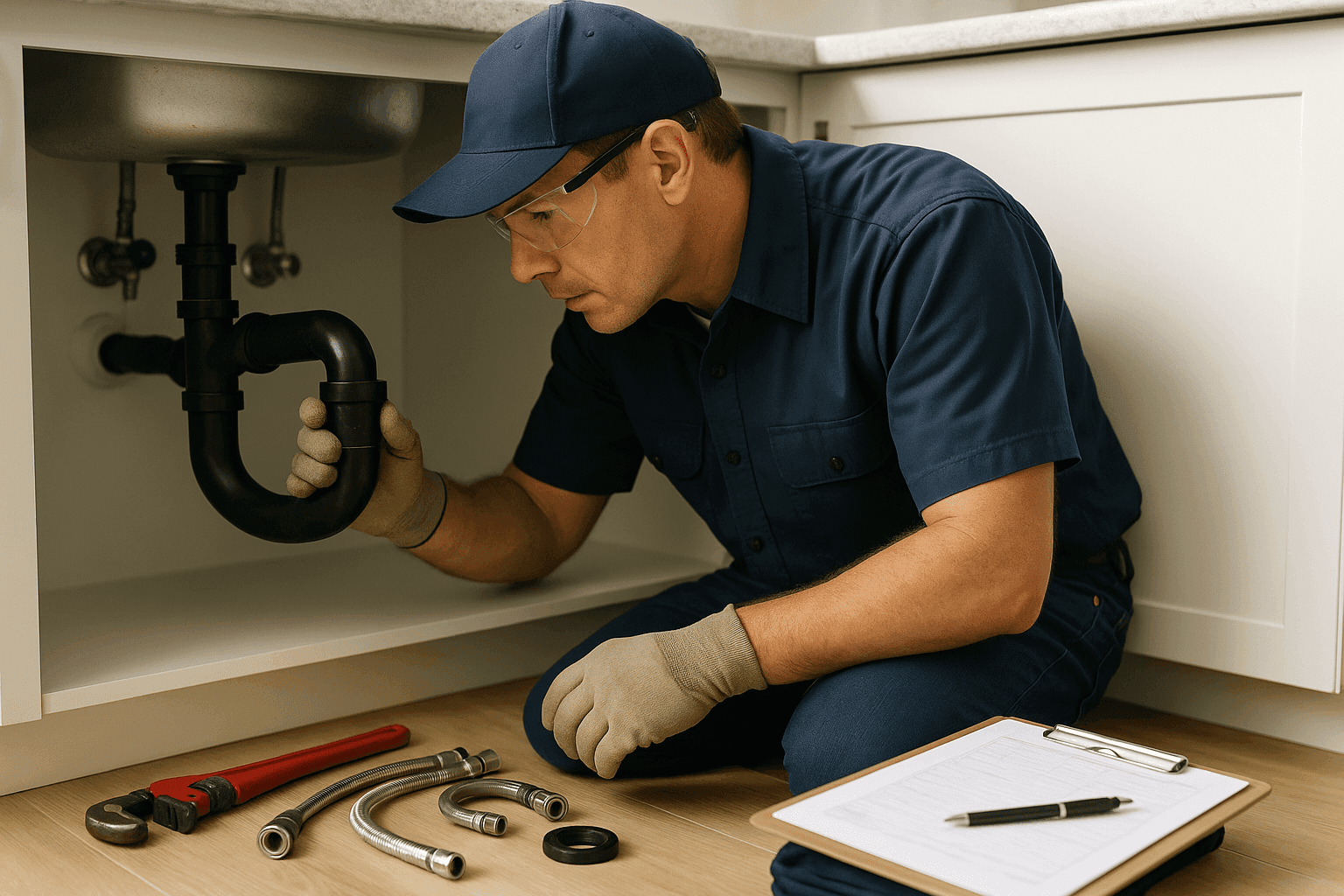
Every homeowner and small business owner knows the dread of a plumbing surprise. A burst pipe, a flooded basement, or a leaking water heater—these issues never wait for a convenient moment. But what if you could keep most of these headaches at bay with a little care throughout the year? At Matrix Plumbing, we see firsthand how regular maintenance can stop small problems from turning into emergencies.
Let’s walk through the steps you can take to keep your plumbing system humming along, season after season.
Why Plumbing Maintenance Matters
Think of your plumbing system like the veins and arteries of your building. Water flows in, waste flows out, and everything in between needs to run smoothly. When something clogs, leaks, or bursts, it’s like a traffic jam—except with water, the damage piles up fast.
Ignoring maintenance can lead to:
- Costly emergency plumbing calls
- Water damage to floors, walls, and belongings
- Mold and mildew growth
- Higher water bills from unnoticed leaks
- Disrupted routines at home or at work
A little prevention is worth a lot of cure.
Quick Safety Checklist Before You Start 🛑
Before you grab a wrench or poke around your pipes, pause for a moment. Safety first:
- Shut off water: Know where your main shutoff valve is.
- Turn off power: For water heaters or boilers, switch off electricity or gas supply before inspecting.
- Wear gloves: Protect your hands from sharp edges and contaminants.
- Use proper tools: Avoid makeshift fixes that can cause more harm.
- Read manufacturer instructions: For appliances like water heaters, always follow the manual.
- Stay alert for gas smells: If you smell rotten eggs, leave the building and contact a professional immediately.
The Occupational Safety and Health Administration (OSHA) recommends using personal protective equipment and following lockout/tagout procedures for any work involving water or gas lines.
DIY Maintenance vs. When to Call a Pro
Some plumbing tasks are as straightforward as changing a light bulb. Others? Not so much. Here’s how to tell the difference.
What You Can Do Yourself
- Check for leaks: Look under sinks, around toilets, and near water heaters for drips or puddles.
- Clean drains: Use strainers to catch hair and debris. Flush drains with hot water weekly.
- Test water pressure: If faucets sputter or spray, you may have a pressure issue.
- Inspect fixtures: Tighten loose faucets, replace worn washers, and check for corrosion.
- Flush water heater: Drain a few gallons every six months to remove sediment.
When to Call Matrix Plumbing
- Persistent leaks: If you can’t stop a leak with a new washer or tightening, call a pro.
- Sewer odors: Smells coming from drains can signal a serious sewer line issue.
- Major clogs: If plungers and drain cleaners don’t work, you might have a deeper blockage.
- No hot water: Problems with water heaters or boilers often require specialized tools and safety checks.
- Gas line issues: Never attempt DIY repairs on gas lines—this is a job for licensed technicians.
What Professionals Do When They Arrive
When you call Matrix Plumbing, our licensed plumbers bring more than just a toolbox. Here’s what you can expect:
- Thorough inspection: We check visible pipes, fixtures, and connections for leaks or wear.
- Advanced leak detection: Using acoustic sensors or infrared cameras, we find hidden leaks behind walls or under floors.
- Drain cleaning: We use professional-grade augers and hydro-jetting equipment to clear stubborn clogs safely.
- Sewer line inspection: Video cameras let us see inside your pipes to spot cracks, roots, or blockages.
- Water heater checks: We test safety valves, flush sediment, and inspect for corrosion or leaks.
- Backflow testing: Ensuring your drinking water stays safe from contamination.
- Gas safety checks: We test for leaks, proper pressure, and code compliance.
Our team follows the International Plumbing Code (IPC) and National Fire Protection Association (NFPA) guidelines for all inspections and repairs.
Seasonal Plumbing Maintenance Guide
Your plumbing system faces different challenges as the seasons change. Here’s how to keep it running smoothly year-round.
Spring: Wake Up Your Pipes
- Inspect for winter damage: Look for cracks or leaks caused by freezing.
- Clean gutters and downspouts: Prevent water from pooling around your foundation.
- Check sump pump: Pour a bucket of water into the pit to make sure it runs.
- Test outdoor faucets: Look for leaks or reduced flow from frost damage.
Summer: Keep Things Flowing
- Check for slow drains: Increased use can reveal hidden clogs.
- Inspect washing machine hoses: Replace if bulging or cracked.
- Monitor water pressure: High pressure can stress pipes; install a regulator if needed.
- Check sprinkler systems: Look for leaks or broken heads.
Fall: Prepare for Cold Weather
- Insulate exposed pipes: Use foam sleeves to protect pipes in unheated areas.
- Disconnect garden hoses: Drain and store to prevent frozen faucets.
- Check water heater: Flush sediment and test the relief valve.
- Inspect boiler systems: Make sure heating is ready for winter.
Winter: Freeze-Proof Your Plumbing ❄️
- Keep heat on: Don’t let indoor temperatures drop below 55°F (13°C).
- Open cabinets: Let warm air reach pipes under sinks.
- Drip faucets: A slow trickle can prevent freezing in extreme cold.
- Know your shutoff valve: In case a pipe bursts, act fast.
Routine Inspections: What to Look For
Like checking your car’s oil, regular plumbing inspections catch problems early.
- Look under sinks: Check for dampness, rust, or mineral deposits.
- Inspect toilet bases: Soft floors or discoloration can mean leaks.
- Listen for running water: If you hear water when nothing’s in use, investigate.
- Check water meter: Turn off all taps and see if the meter still moves—this signals a hidden leak.
The Environmental Protection Agency (EPA) estimates that household leaks waste nearly 1 trillion gallons of water each year. Early detection saves water and money.
Preventative Maintenance for Key Plumbing Components
Some parts of your plumbing system need extra attention.
Water Heaters
- Flush tank: Remove sediment twice a year.
- Check anode rod: Replace every 3–5 years to prevent rust.
- Test relief valve: Ensures safe operation.
Sump Pumps
- Test quarterly: Pour water into the pit to trigger the pump.
- Clean inlet screen: Keep debris from blocking the pump.
Sewer Lines
- Avoid flushing wipes: Even “flushable” wipes can clog pipes.
- Schedule video inspections: Every 2–3 years, especially in older buildings.
Gas Lines
- Schedule annual checks: Ensure safe connections and pressure.
- Install carbon monoxide detectors: For early warning of leaks.
Fixtures and Faucets
- Replace washers and seals: At first sign of dripping.
- Clean aerators: Unscrew and rinse to restore flow.
Costs & Time Factors
Plumbing maintenance doesn’t have to break the bank—or eat up your weekend.
- DIY checks: 10–30 minutes monthly for basic inspections.
- Professional inspections: 1–2 hours, depending on building size and complexity.
- Minor repairs: Replacing washers, clearing drains, or tightening fittings usually takes less than an hour.
- Major repairs: Fixing leaks behind walls, repiping, or sewer line repairs may take several hours to a few days.
Routine maintenance costs far less than emergency plumbing repairs or water damage restoration. Investing a little time now saves a lot of hassle later.
When It’s an Emergency 🚨
Sometimes, a plumbing problem can’t wait.
- Burst pipes: Shut off water immediately and call for help.
- Sewer backups: If water or waste is coming up through drains, avoid contact and call a professional.
- No water: If your building suddenly loses all water, check with neighbors—then call if it’s just you.
- Gas leaks: Smell gas? Leave the building and contact emergency services.
If you’re unsure, err on the side of caution. Emergency plumbing services are always available for urgent situations.
Frequently Asked Questions
How often should I have my plumbing inspected?
At least once a year for a general checkup, or more often for older systems or frequent issues.
Can I use chemical drain cleaners?
It’s better to avoid them. They can damage pipes and harm the environment. Use a plunger or a drain snake, or call a plumber for stubborn clogs.
Why does my water bill keep rising?
Unexplained spikes often mean hidden leaks. Check fixtures and monitor your water meter, or schedule a professional leak detection.
What’s the best way to prevent frozen pipes?
Insulate exposed pipes, keep indoor temperatures steady, and let faucets drip during extreme cold.
Special Considerations for Plumbing Maintenance
- Older homes: Pipes may be made from outdated materials that are prone to leaks or corrosion. Regular inspections are a must.
- Small businesses: High usage means more wear and tear. Schedule off-hours maintenance to avoid disrupting operations.
- Water quality: Consider installing filtration systems if you notice discoloration, odors, or taste issues.
- Backflow prevention: Especially important for businesses—some codes require annual testing.
Always follow building codes and manufacturer guidelines. The International Association of Plumbing and Mechanical Officials (IAPMO) provides up-to-date code information for safe installations and repairs.
Ready to keep your plumbing system running smoothly, no matter the season? Call Matrix Plumbing now — or reach us anytime at 855-506-6855 .