Pipe Repair or Replacement? How to Decide for Lasting Results
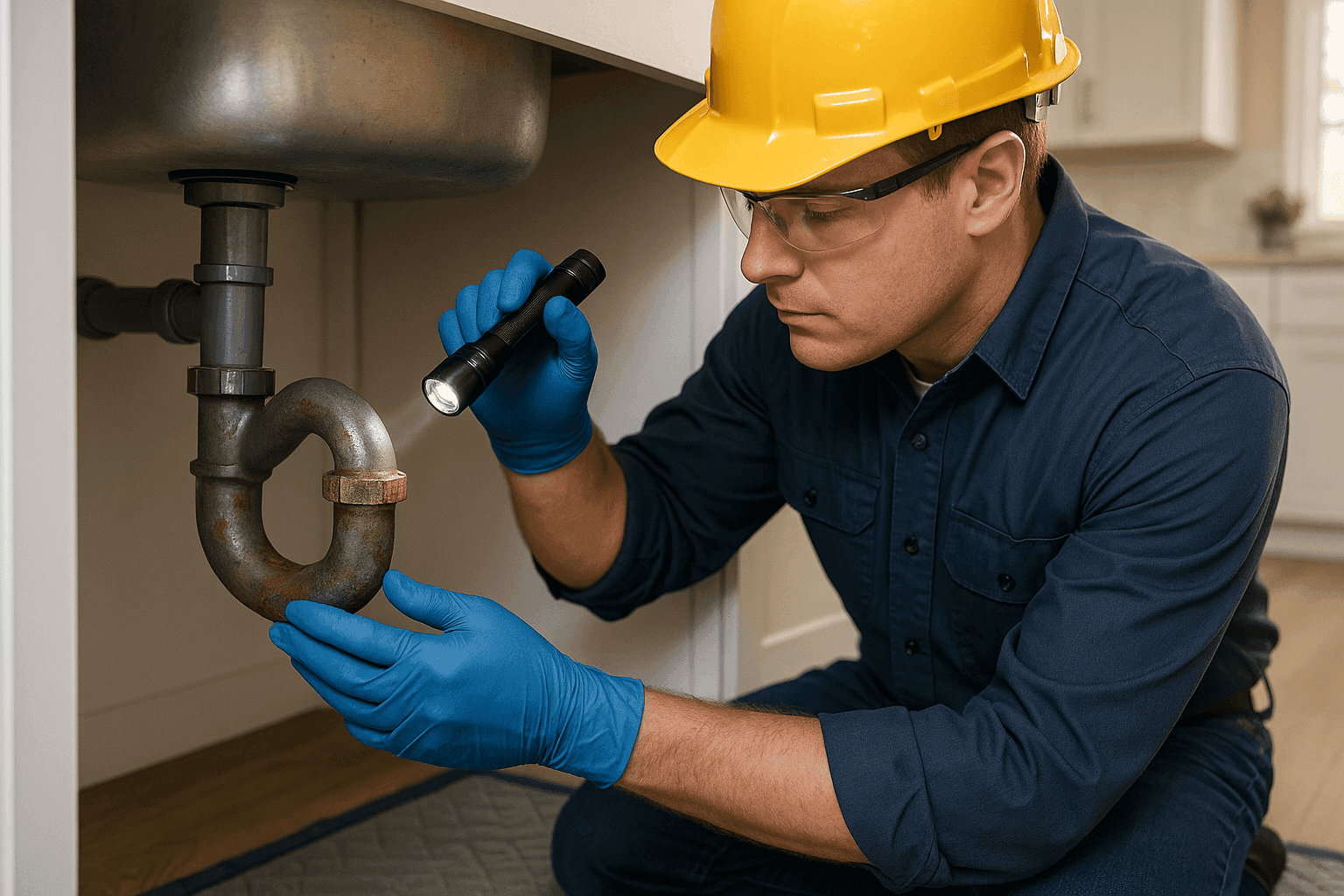
When a pipe bursts or starts to leak, life can go from calm to chaos in minutes. Whether you’re a homeowner or run a busy business, water damage doesn’t wait. The question is always the same: Should you repair the pipe, or is it time to replace it?
At Matrix Plumbing, we know your pipes are the backbone of your property. Reliable plumbing keeps everything flowing—literally. Let’s break down when a simple fix is enough, and when you need to start fresh for lasting results.
Pipe Problems: Common Signs 🚨
Not sure if you have a pipe problem? Look for these warning signs—the red flags you don’t want to ignore:
- Unexplained water bills: If your bill suddenly spikes, you might have a hidden leak.
- Water stains or damp spots: Discoloration on ceilings, walls, or floors often means trouble behind the scenes.
- Mold or mildew smells: Persistent musty odors can signal slow leaks.
- Low water pressure: A sudden drop can point to a cracked or clogged pipe.
- Noisy pipes: Banging, gurgling, or whistling can mean wear and tear inside the system.
- Rusty or discolored water: This often hints at corroded pipes—especially in older buildings.
Whether you’re dealing with copper, PVC, or galvanized steel, these symptoms should never be brushed off. For commercial properties, watch for puddles in utility rooms, boiler issues, or complaints from tenants about water quality.
When Repair Is Enough
Think of pipe repair as patching a worn tire. If the damage is small and the rest of the system is solid, a repair can get you rolling again.
Repair is often the best call when:
- The leak is isolated and easy to access.
- The pipe material is still in good condition.
- There’s no widespread corrosion or rust.
- The issue is caused by a minor fault—like a loose joint or a small crack.
Professional plumbers use methods like pipe clamps, epoxy compounds, or sectional replacements. For example, in an emergency plumbing situation—such as a burst pipe under a kitchen sink—quick repairs can stop flooding and prevent further damage. In commercial kitchens or bathrooms, a targeted repair means less downtime and disruption.
Tip: Always address leaks quickly. Even small drips can lead to bigger problems like mold growth or structural damage if ignored.
When to Replace Entire Pipes
Sometimes, a patch just isn’t enough. Picture a worn-out garden hose—after a few fixes, it’s better to swap it for a new one.
Full pipe replacement may be needed if:
- Pipes are old, brittle, or made of outdated materials (like lead or galvanized steel).
- There are multiple leaks in the same section.
- You see widespread corrosion, pitting, or mineral buildup.
- Water pressure issues persist, even after previous repairs.
- The pipe fails safety or building codes (per the International Plumbing Code or local regulations).
For homes, repiping is often the best long-term fix for persistent leaks or aging systems. Commercial buildings may need replacement to comply with safety standards, especially if pipes handle high water volumes or chemicals.
Matrix Plumbing uses modern, code-compliant materials to ensure your new pipes last for decades. Plus, replacing old pipes often improves water quality and pressure—benefits you’ll notice right away.
Cost and Disruption Comparison 💡
Let’s talk numbers and hassle. Nobody likes surprises when it comes to their wallet—or their daily routine.
Pipe Repair: What to Expect
- Typically cheaper than replacement.
- Fast—most repairs are done within hours.
- Minimal disruption, especially for visible or accessible pipes.
Pipe Replacement: What to Expect
- Higher upfront cost, but better value over time.
- May require opening walls, ceilings, or floors.
- Takes longer—can range from a single day to several days for larger projects.
- May involve temporary water shut-off.
For businesses: Schedule work during off-hours to minimize impact. For homes, plumbers can often isolate sections so you’re not without water everywhere.
Pro tip: Ask about clean work standards. Matrix Plumbing keeps jobsites tidy and aims to minimize dust and debris, so your space is back to normal fast.
Professional Assessment
Don’t play guessing games with your plumbing. A licensed plumber from Matrix Plumbing can:
- Use leak detection tools (like acoustic sensors or thermal imaging) to pinpoint problems.
- Check pipe integrity and material.
- Inspect for code compliance and safety risks.
- Advise on repair vs. replacement for lasting results.
Why it matters: DIY fixes may seem tempting, but hidden problems can grow. Professional assessment gives you peace of mind—and often comes with clear documentation for insurance or resale needs.
All work is performed to strict industry standards. We follow guidelines from the International Association of Plumbing and Mechanical Officials (IAPMO) and adhere to local building codes.
Longevity, Warranties, and Clean Work
Choosing the right solution isn’t just about today’s leak—it’s about tomorrow’s peace of mind.
- Modern materials (like PEX or copper) can last 50+ years.
- Many manufacturers provide limited warranties on parts and materials.
- Clean, professional installation reduces the risk of future leaks or water damage.
Tip for commercial clients: Document all repairs and replacements for maintenance records. This helps with future inspections and insurance claims.
Frequently Asked Questions
What’s the average lifespan of household pipes?
- Copper pipes: 50+ years
- PEX: 40–50 years
- Galvanized steel: 20–50 years (but prone to corrosion)
- PVC: 25–40 years
Are pipe repairs covered by insurance?
It depends on your policy. Most homeowners’ and commercial property insurance will cover sudden, accidental water damage, but not gradual issues from neglect. Always check your policy and keep records of maintenance.
Can I repair a pipe myself?
Small fixes—like tightening a joint or replacing a faucet washer—are doable. But for anything involving main water lines, gas lines, or extensive leaks, call a professional. Mistakes can lead to bigger, costlier problems.
How can I prevent future pipe problems?
- Schedule routine inspections (especially in older buildings).
- Insulate pipes before winter to prevent freezing.
- Address leaks or drips immediately.
- Use drain strainers and avoid pouring grease down sinks.
Local and Seasonal Considerations 🥶
Winter can be tough on pipes. Freezing temps cause water to expand, risking bursts—especially in unheated basements or crawl spaces. In commercial buildings, seasonal shutdowns (like for schools or offices) are prime times for undetected leaks.
Tip: Before cold weather hits, have Matrix Plumbing check vulnerable pipes. For businesses, consider preventative maintenance during scheduled downtime.
Final Thoughts
Pipe problems can sneak up on anyone. Whether you need a quick fix or a full replacement, making the right call now saves time, money, and stress later. For emergency plumbing, water heater installation near you, or routine maintenance, Matrix Plumbing is here to help—day or night.
Call Matrix Plumbing now — or reach us anytime at 855-506-6855 .