How Much Does Professional Plumbing Cost? A Complete Breakdown
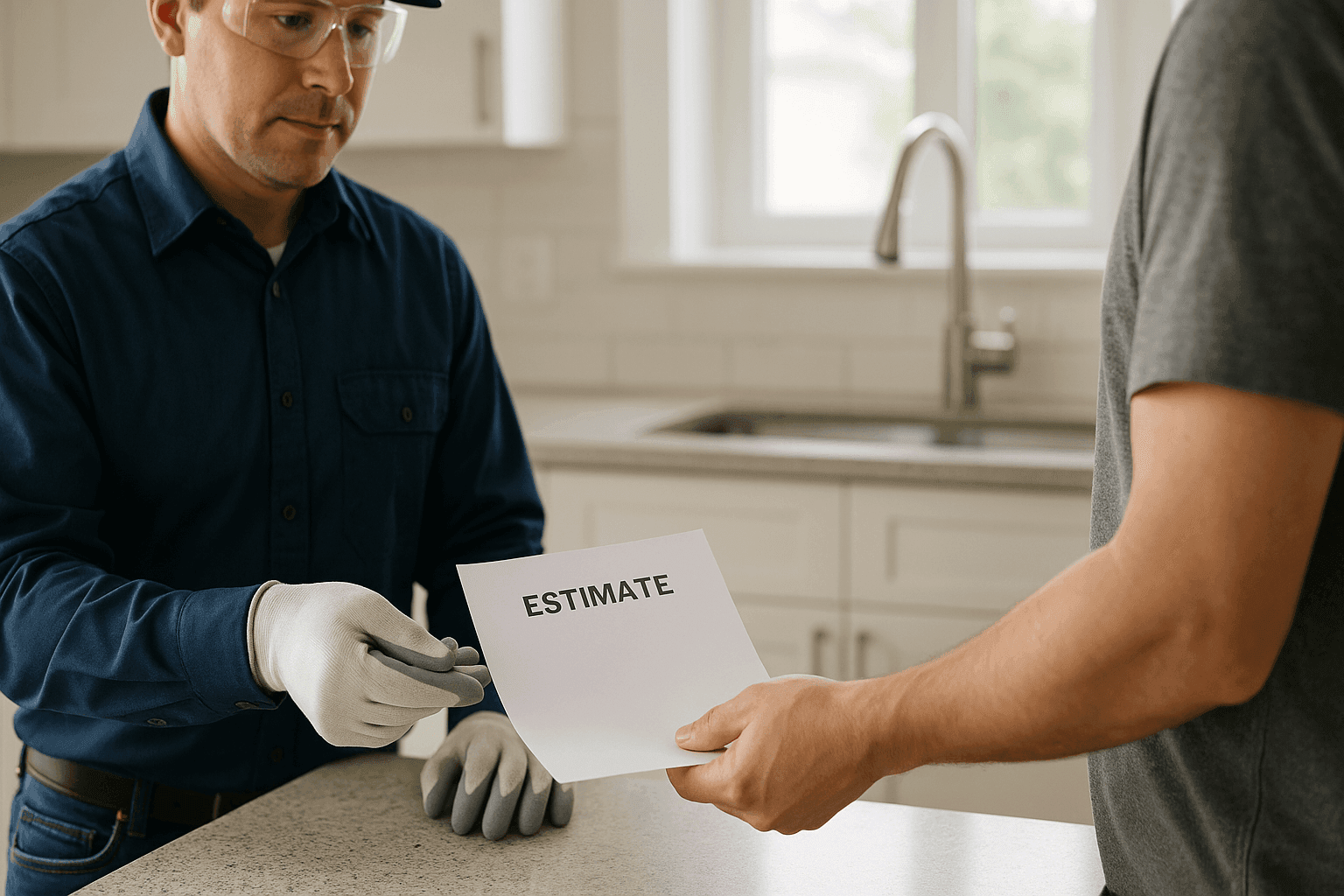
Ever wonder why plumbing bills seem to swing between “not so bad” and “did I just buy a new kitchen?” You’re not alone. Plumbing is one of those things—out of sight, out of mind—until suddenly, it’s front and center. At Matrix Plumbing, we get the urgency. Plumbing problems don’t wait for a good time, and you deserve to know what you’re getting into before the wrench hits the pipe.
Whether you’re dealing with a midnight emergency or planning a bathroom upgrade, understanding the real costs behind professional plumbing helps you stay in control. Let’s break it all down—clearly, honestly, and with tips to help you avoid those wallet-shocking surprises.
What Affects Plumbing Costs? 🛠️
Plumbing costs can feel like a moving target. That’s because several factors come into play, each shifting the final bill in its own way. Here’s what you need to know:
- Type of Service: Fixing a slow drip isn’t the same as repiping a whole house. Emergency plumbing calls, water heater installation near you, or complex leak detection each have their own rates.
- Time of Day: Nights, weekends, and holidays almost always cost more. Think of it like ordering pizza at 2 am—you pay for convenience.
- Location: Some regions have higher labor rates. Urban plumbing might be pricier than rural, especially if parking or building access is tricky.
- Materials: From basic PVC to copper piping, material choices can add up quickly. Quality fixtures and parts often mean a bigger up-front cost but fewer headaches later.
- Accessibility: A pipe hidden behind walls or under concrete slabs takes more time (and sometimes demolition) to reach.
- Code Requirements: Local building codes and safety standards, like those outlined by the International Plumbing Code (IPC), may require certain upgrades or inspections that increase costs.
Tip: Before work starts, ask your plumber for a written estimate that lists both labor and materials. This helps you see exactly where your money is going.
Typical Price Ranges by Service
Plumbing covers a huge range of jobs—some quick and easy, others complex and time-consuming. Here are typical price ranges for common services Matrix Plumbing handles, to help you compare apples to apples:
- Emergency Plumbing: $150–$500+ for after-hours calls. Severe leaks or sewage backups may cost more, especially if cleanup is needed.
- Water Heater Installation: $900–$2,500, depending on tank vs. tankless and capacity.
- Toilet Repair & Unclogging: $100–$350. Major toilet replacements or stubborn clogs can run higher.
- Leak Detection & Repair: $150–$800+. Infrared and electronic leak detection technology can add to the price but helps find hidden problems.
- Sump Pump Repair: $200–$600, plus the cost of a new pump if needed.
- Fixture Installation (faucets, sinks, disposals): $150–$600 per fixture.
- Drain Cleaning: $120–$400, depending on severity and access.
- Sewer Line Repair/Replacement: $1,000–$8,000+. Major work like trenchless sewer line installation can cost more but saves yard damage.
- Repiping (whole home): $3,000–$15,000, based on house size and pipe material.
- Water Filtration System Installation: $800–$3,000 for most residential systems.
These are ballpark ranges. Every job is different. A single leaky faucet isn’t the same as a collapsed sewer line, after all.
Pro tip: Always confirm whether the price includes diagnostics, labor, materials, permit fees, and cleanup. Surprise add-ons aren’t fun.
Emergency vs Scheduled Pricing
Plumbing emergencies are like flat tires—always inconvenient and usually urgent. Here’s how costs break down:
- Emergency Rates: Expect to pay 1.5x to 3x regular rates for after-hours or same-day service.
- Why the extra cost? Plumbers may need to drop other jobs or work late. Parts suppliers might be closed, adding to delays or costs.
- Scheduled Jobs: Booking ahead often means normal hourly rates and time to plan for the right parts. Less stress, lower cost.
Example: A scheduled water heater installation near you might run $1,200. The same job at midnight, after a sudden failure, could be $1,800 or more.
Tip: If it’s not an emergency, ask about off-peak scheduling. It’s like flying on a Tuesday instead of a holiday weekend—same destination, lower price.
Commercial vs Residential Differences 🏢
Plumbing for businesses isn’t just “bigger”—it’s governed by different codes, risk, and complexity. Here’s what changes:
- Commercial Jobs: Often involve larger pipe sizes, more fixtures, or complex systems (think restaurants, offices, warehouses).
- Code Requirements: Local and national codes (like OSHA for jobsite safety) may add inspection and compliance fees.
- Access: Commercial spaces can be harder to access, meaning more labor time.
- Insurance: Liability and bonding requirements are typically higher for commercial plumbing.
Residential Jobs: Usually more straightforward, but older homes may hide surprises behind walls or under floors.
Takeaway: Commercial plumbing costs more, but it’s not just about scale—it’s about safety and compliance, too.
How to Get Accurate Quotes
No one likes sticker shock. Here’s how to get a fair, accurate price for your plumbing needs:
- Describe the Problem Clearly: The more details you give, the better the estimate. Photos help!
- Ask for Up-Front Pricing: Matrix Plumbing provides written estimates so you know costs before the work begins.
- Request a Breakdown: Labor, materials, permits, and any specialty equipment should be listed separately.
- Inquire About Diagnostic Fees: Some complex jobs require investigation first—make sure you know if that’s extra.
- Check for Hidden Costs: Ask if cleanup, haul-away, or follow-up visits are included.
- Don’t Be Afraid to Ask Questions: A good plumber welcomes your questions. They want you to feel confident and informed.
Helpful sources: The International Plumbing Code, local building departments, and the U.S. Environmental Protection Agency (EPA) offer guidance on plumbing standards and water safety.
Practical Tips to Avoid Surprise Costs
- Routine Maintenance: Catching small leaks or slow drains early prevents bigger, costlier problems.
- Know Your Shut-Off Valves: In an emergency, shutting off water quickly can save you hundreds in damage.
- Upgrade Smart: Investing in quality fixtures and professional installation pays off over time.
- Schedule Annual Inspections: Especially for commercial properties, annual plumbing checks can reveal hidden risks.
Frequently Asked Questions
How are plumbing rates calculated?
Most plumbers charge by the hour (plus materials), but flat-rate pricing for common jobs is becoming more popular. Complex jobs or emergencies may have higher minimum fees.
What if I need a permit?
Some jobs—like water heater installation or sewer line repair—require permits. These may add $50–$500 to your bill, depending on your city’s regulations.
Can I buy my own fixtures?
Yes, but check with your plumber first. Some will only warranty their own supplied parts.
How do I know if it’s an emergency?
Major leaks, sewer backups, or loss of hot water often count as emergencies. If water is causing damage or health hazards, call for emergency plumbing right away.
The Bottom Line
Professional plumbing costs aren’t a mystery—if you know what to expect. Clear communication, up-front pricing, and a bit of planning put you in the driver’s seat. At Matrix Plumbing, we believe in treating your time and budget with respect. Every estimate is detailed, honest, and built around your needs.
Call Matrix Plumbing now — or reach us anytime at 855-506-6855 .