How to Prevent Plumbing Emergencies: Essential Tips for Homeowners and Small Businesses
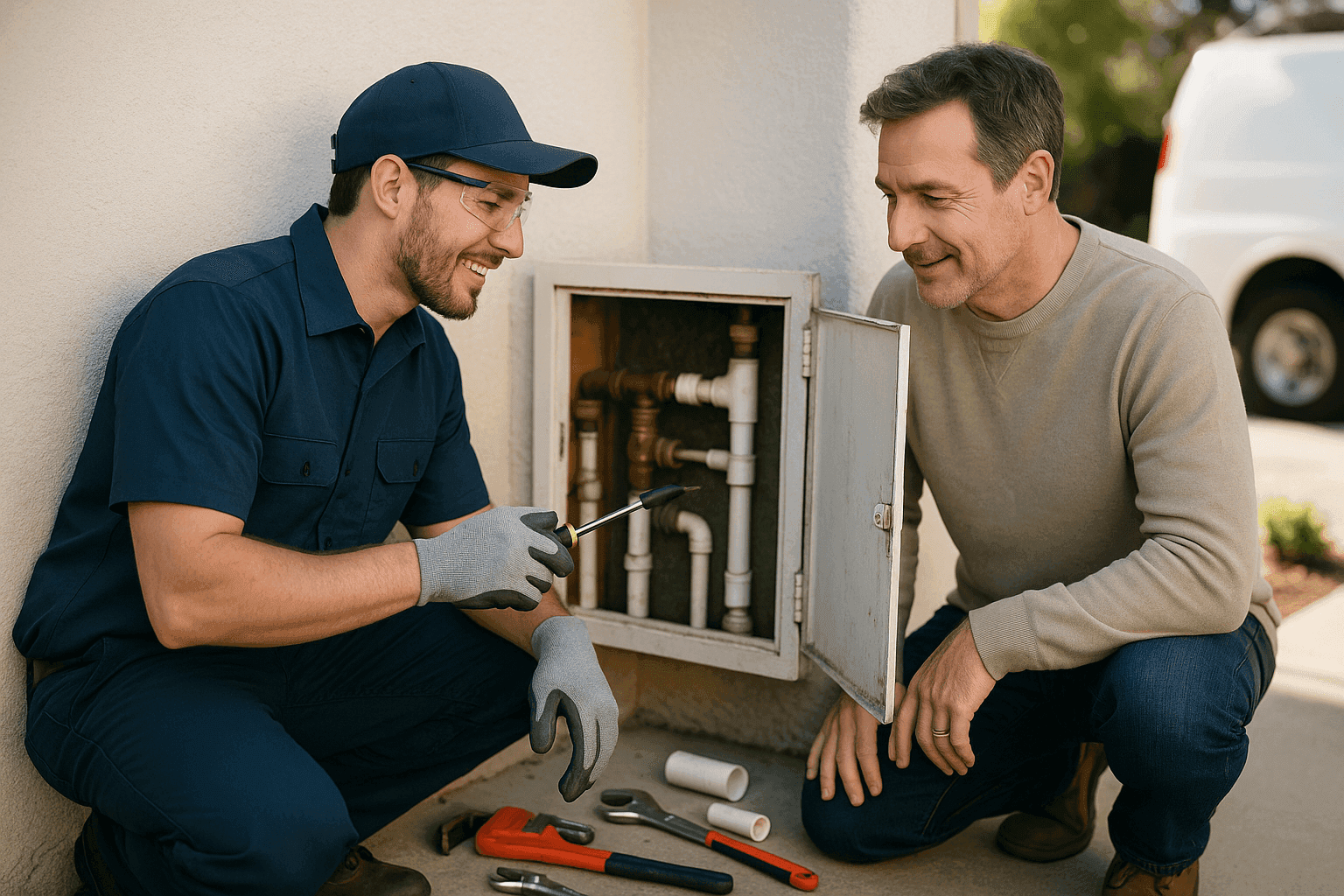
Plumbing emergencies don’t wait for a convenient moment. They strike in the middle of a busy morning or just as you’re locking up your small business for the night. At Matrix Plumbing, we’ve seen firsthand how a tiny leak can turn into a tidal wave of stress and expense.
But here’s the good news: most plumbing disasters can be prevented with a little know-how and routine care. Let’s walk through the basics together, so you can keep your property safe, dry, and running smoothly all year long.
Understanding Common Plumbing Emergencies 🚨
Before you can prevent a plumbing emergency, it helps to know what you’re up against. Plumbing systems are like the veins and arteries of your building—when something goes wrong, the effects ripple everywhere.
The most common emergencies include:
- Leaks: Dripping faucets, hidden pipe leaks, or water pooling under sinks. Even a small leak can cause major water damage over time.
- Clogs: Blocked drains, overflowing toilets, and stubborn kitchen sinks. Clogs can lead to backups and unsanitary conditions.
- Pipe Bursts: Sudden, gushing water from a broken pipe. Often caused by freezing temperatures or old, corroded pipes.
- Water Heater Failures: No hot water, strange noises, or leaks around the unit. Water heater issues can disrupt daily life and damage property.
Each of these problems can quickly spiral out of control. That’s why prevention is worth its weight in gold.
Routine Maintenance Practices to Keep Your Plumbing System Healthy
Think of plumbing maintenance like brushing your teeth. Skip it, and you’re just waiting for a painful surprise. Regular checks and simple habits can keep your system humming.
Key maintenance tasks:
- Drain Cleaning: Pour boiling water down drains weekly to clear out buildup. Avoid chemical drain cleaners—they can damage pipes.
- Leak Detection: Check under sinks, behind toilets, and around appliances for any signs of moisture or mold. Listen for hissing or dripping sounds in quiet moments.
- Sump Pump Checks: Test your sump pump every few months by pouring water into the pit. Make sure it turns on and off properly.
- Backflow Prevention: Install and test backflow preventers to stop contaminated water from flowing back into clean lines. This is especially important for small businesses with kitchen or manufacturing equipment.
- Water Pressure Monitoring: High water pressure can strain pipes. Use a simple gauge to keep it between 40–60 psi.
Schedule professional inspections at least once a year. Licensed plumbers use specialized tools—like thermal imaging and acoustic sensors—to spot hidden leaks and weaknesses.
Seasonal Plumbing Tips to Avoid Freeze Damage and Water Pressure Issues
When temperatures drop, your pipes are at risk. Just like you’d bundle up in a coat, your plumbing needs extra protection.
Winterize your plumbing:
- Insulate Exposed Pipes: Use foam sleeves on pipes in unheated areas like basements, garages, and crawl spaces.
- Drip Faucets During Freezes: Letting a trickle of water run keeps pipes from freezing solid.
- Disconnect Outdoor Hoses: Drain and store hoses, and shut off exterior spigots.
- Check for Drafts: Seal gaps around windows, doors, and where pipes enter the building.
In warmer months:
- Inspect for Expansion: Heat can cause pipes to expand and contract, leading to leaks.
- Flush Water Heaters: Remove sediment buildup to improve efficiency and prevent corrosion.
Following seasonal tips keeps your plumbing system resilient, no matter what the weather throws your way.
Signs to Watch For That Indicate Imminent Plumbing Problems
Plumbing systems rarely fail without warning. The trick is to catch the signs before they become disasters.
Red flags include:
- Sudden drops in water pressure
- Slow-draining sinks or tubs
- Gurgling sounds from drains or toilets
- Unexplained spikes in your water bill
- Damp spots on walls, ceilings, or floors
- Musty odors, especially near plumbing fixtures
- Discolored water coming from taps
If you spot any of these, act fast. Early attention can mean the difference between a simple repair and a costly emergency.
When to Call a Professional vs. DIY Fixes
Some plumbing issues are like a loose doorknob—you can handle them with a screwdriver and a little patience. Others are more like rewiring your electrical panel—best left to the pros.
DIY-friendly fixes:
- Unclogging minor sink or shower drains with a plunger
- Tightening a loose faucet handle
- Replacing a worn-out washer or aerator
Call Matrix Plumbing for:
- Persistent leaks or water stains
- No hot water or water heater leaks
- Sewage smells or backups
- Burst pipes or flooding
- Gas line concerns or strange odors
- Repeated clogs or slow drains
Remember, working on gas lines or major plumbing systems without proper training can be dangerous. The International Plumbing Code and local safety guidelines recommend hiring licensed professionals for repairs involving gas, sewer, or major water lines.
Matrix Plumbing’s Commitment to Safety and Prevention
At Matrix Plumbing, safety isn’t just a buzzword—it’s our foundation. We perform thorough gas safety checks, backflow testing, and preventative maintenance. Our team uses advanced leak detection tools and follows the latest industry standards, including the Uniform Plumbing Code and manufacturer recommendations for fixtures and appliances.
We believe in educating property owners, so you feel confident making smart choices for your home or business.
Practical Tips for Everyday Plumbing Care
- Never pour grease, coffee grounds, or fibrous foods down the drain.
- Install drain screens in sinks, showers, and tubs.
- Know where your main water shutoff valve is located.
- Test your sump pump before the rainy season.
- Schedule annual plumbing inspections, especially for older properties.
A little effort now can prevent big headaches later.
Frequently Asked Questions
How often should I have my plumbing inspected?
Most homes and businesses benefit from an annual inspection. If your property is older or you’ve had recent plumbing issues, consider twice a year.
What should I do if I smell gas near my plumbing?
Leave the area immediately and call emergency services, then contact a licensed plumber. Gas leaks are serious and require immediate professional attention.
Can I use chemical drain cleaners for clogs?
It’s best to avoid them. Chemical cleaners can damage pipes and harm the environment. Try a plunger or call a professional for stubborn clogs.
How do I know if my sump pump is working?
Pour a bucket of water into the sump pit. The pump should turn on, remove the water, and shut off. If it doesn’t, it may need repair or replacement.
Special Considerations for Small Businesses
Plumbing emergencies can shut down operations, costing you time and customers. Schedule preventative maintenance outside of business hours to minimize disruption. Backflow prevention and regular fixture inspections are especially important in commercial kitchens, restrooms, and laundry areas.
Take Control of Your Plumbing Health
Plumbing emergencies are stressful, but most can be avoided with regular care and a watchful eye. By following these tips and scheduling routine maintenance, you protect your property, your wallet, and your peace of mind.
Call Matrix Plumbing now — or reach us anytime at 855-506-6855 .