The Ultimate Guide to Preventative Plumbing Maintenance
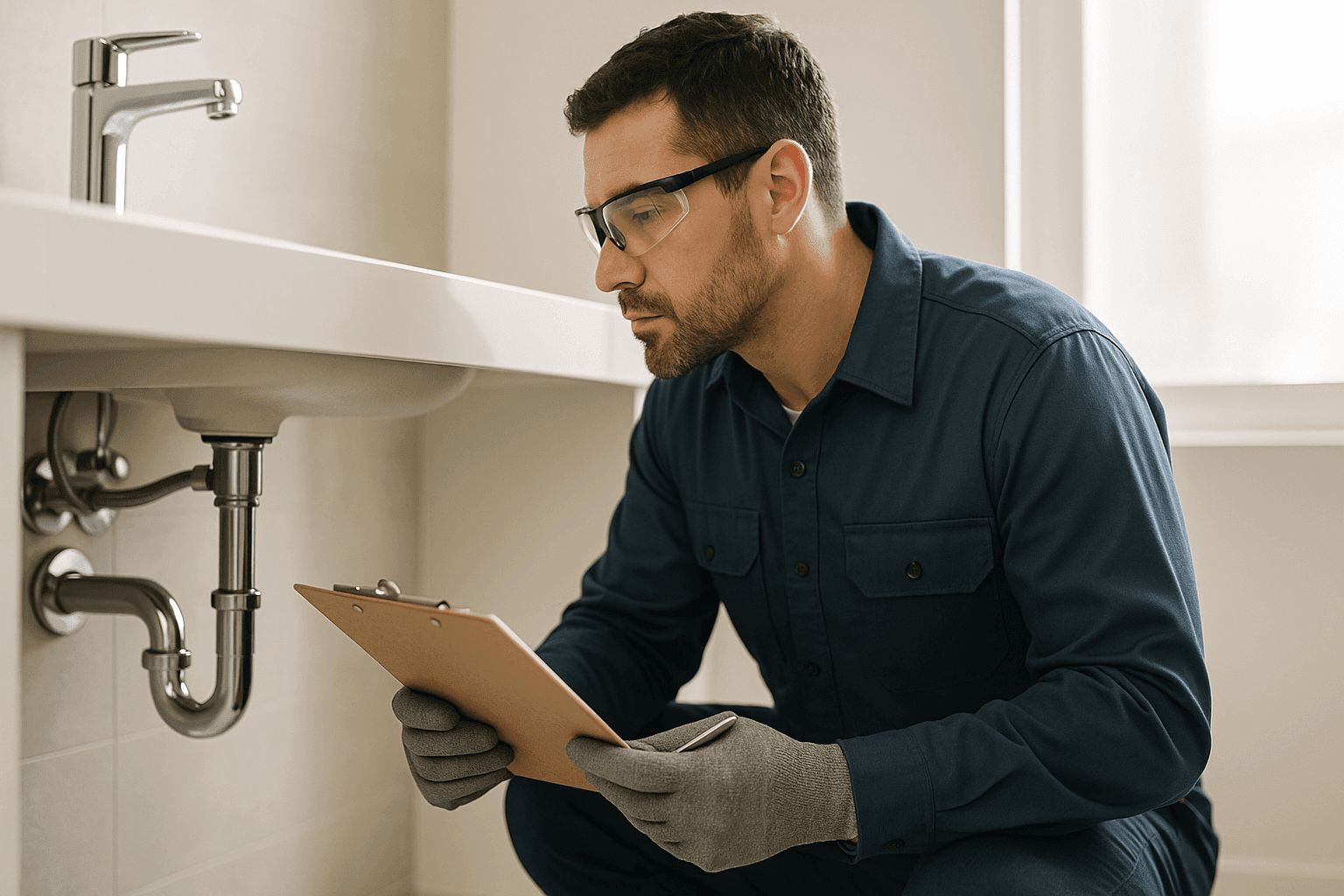
Every pipe, faucet, and fixture in your property works hard behind the scenes. Most days, you don't give them a second thought—until something goes wrong. That’s when water can become more of a foe than a friend. At Matrix Plumbing, we know that a little preparation goes a long way toward avoiding disaster.
Plumbing emergencies don’t wait for a convenient moment. But with a handful of simple habits, you can protect your investment, prevent stress, and save money. This guide will show you how.
Why Preventative Maintenance Matters 🚰
Imagine your plumbing as the arteries of your home or business. Over time, even the smallest blockages can lead to a major “heart attack”—burst pipes, flooded basements, or a failed water heater at the worst possible moment.
Preventative plumbing maintenance is your insurance policy against these headaches. Here’s why it matters:
- Avoid emergency plumbing calls: Regular checkups mean fewer midnight surprises.
- Save money: Tiny leaks and blockages cost less to fix before they become big repairs.
- Safeguard property: Prevent water damage, mold, and expensive restoration.
- Peace of mind: Know you’re ready for storms, winter chills, and holiday guests.
- Protect your investment: Plumbing upgrades like water heater installation or repiping aren’t cheap. Maintenance keeps them running longer.
The International Association of Certified Home Inspectors recommends annual plumbing inspections for both residential and commercial properties. It’s not just about the pipes—it’s about your safety, comfort, and bottom line.
Monthly and Seasonal Checklists
Staying ahead of plumbing problems takes just a few minutes each month. When seasons shift, a few extra steps can keep you dry and stress-free.
Your Monthly Plumbing Checklist
- Check for leaks: Look under sinks, around toilets, and behind appliances.
- Test water pressure: Weak flow might signal clogs or hidden leaks.
- Run all faucets: Prevent sediment buildup and clear out unused lines.
- Inspect drains: Slow drainage? Time for a quick clean.
- Flush unused drains: Pour a bucket of water to keep traps full and odors away.
- Garbage disposal: Clean with ice cubes and citrus peels.
Seasonal Steps
Winterizing Tips
- Insulate exposed pipes: Focus on unheated areas like garages or crawl spaces.
- Disconnect hoses: Store them indoors and drain outdoor faucets.
- Check your water heater: Flush sediment, set temp to 120°F (per the U.S. Department of Energy).
- Seal gaps: Keep cold drafts away from plumbing.
Storm Preparation
- Test sump pumps: Pour water into the pit and make sure it runs smoothly.
- Clear gutters: Prevent roof runoff from overwhelming your drains.
- Know your main shutoff: In case of a leak, you can stop the flow fast.
Holiday Plumbing Readiness
- Inspect toilets and sinks: Extra guests mean extra strain.
- Clean drains: Avoid embarrassing backups during gatherings.
- Check water filtration systems: Replace filters if needed.
DIY vs. Professional Tasks
Some jobs are as simple as tightening a fitting or running hot water. Others demand expertise—and the right tools.
What You Can Do Yourself
- Tighten loose faucet handles or supply lines.
- Use a plunger for minor clogs.
- Clean faucet aerators and showerheads.
- Pour enzyme-based cleaner down slow drains.
When to Call Matrix Plumbing
- Unclogging stubborn toilets: If plunging fails, don’t risk damaging pipes.
- Water heater installation near you: Safe, code-compliant setup is a must.
- Sump pump repair: Flood risk is too great to gamble.
- Leak detection: Hidden leaks can destroy walls and floors.
- Backflow testing: Required for many commercial properties.
- Gas line installation or gas safety checks: Always trust a licensed pro.
The National Plumbing Code and local building authorities require that gas, sewer, and major water line work be performed by trained professionals. Your safety—and your insurance—depend on it.
Red Flags to Watch For 🚨
Plumbing often whispers before it screams. Watch for these warning signs:
- Sudden spikes in your water bill
- Persistent damp spots or mold
- Discolored water or odd smells
- Banging, whistling, or gurgling pipes
- Toilets that never stop running
- Unusual puddles in the yard (could signal a sewer line leak)
- Slow draining sinks or tubs
- Rust or corrosion on visible pipes
If you notice any of these, don’t wait. Small problems can become emergencies overnight.
Winter, Storm, and Holiday Prep
Winter: Guard Against Freezing
Frozen pipes can burst and flood your home. Before the first frost:
- Wrap pipes in foam insulation.
- Keep cabinets open under sinks to circulate warm air.
- Let faucets drip during cold snaps.
Storm Season: Flood Prevention
- Test your sump pump and backup battery.
- Ensure floor drains are clear.
- Consider a sewer backflow prevention device.
Holidays: High-Traffic Plumbing
- Remind guests what not to flush (no wipes, no grease).
- Stagger showers and laundry to prevent overload.
- Stock up on basic supplies—plungers, drain cleaner, extra towels.
Cost Savings, Reduced Risk, and Peace of Mind
Routine maintenance is like an umbrella—it costs less than a flooded living room.
Consider this: Fixing a dripping faucet might run you the cost of a nice dinner out. But repairing water damage from a burst pipe? That can be thousands. The EPA estimates that household leaks waste nearly 1 trillion gallons of water annually nationwide. Stopping even a small leak now helps your wallet and the planet.
Regular checkups extend the life of your water heater, garbage disposal, and other plumbing investments. They also help you budget—catching repairs early means no surprise bills.
FAQs
How often should I schedule plumbing maintenance?
Aim for a thorough inspection yearly. If you own a business, or your property is older, consider twice a year.
What’s the most common preventable plumbing emergency?
Clogged drains and burst pipes top the list. Both are often avoidable with regular checks and cleaning.
Can I handle small leaks myself?
Sometimes. Tighten fittings and replace worn washers. If the leak persists or involves pipes inside walls, call Matrix Plumbing.
Is preventative plumbing maintenance required by code?
Local codes differ. Commercial properties often require regular backflow testing and maintenance. Always check with your municipal building authority or a licensed plumber.
Proactive Plumbing: Protecting Your Investment
Your plumbing works as hard as you do. A little care today means fewer emergencies tomorrow. Whether you need water heater installation near you, leak repair, or emergency plumbing, don’t wait for trouble to knock at your door.
Call Matrix Plumbing now — or reach us anytime at 855-506-6855 .