Repiping Explained: When and How to Replace Old Pipes
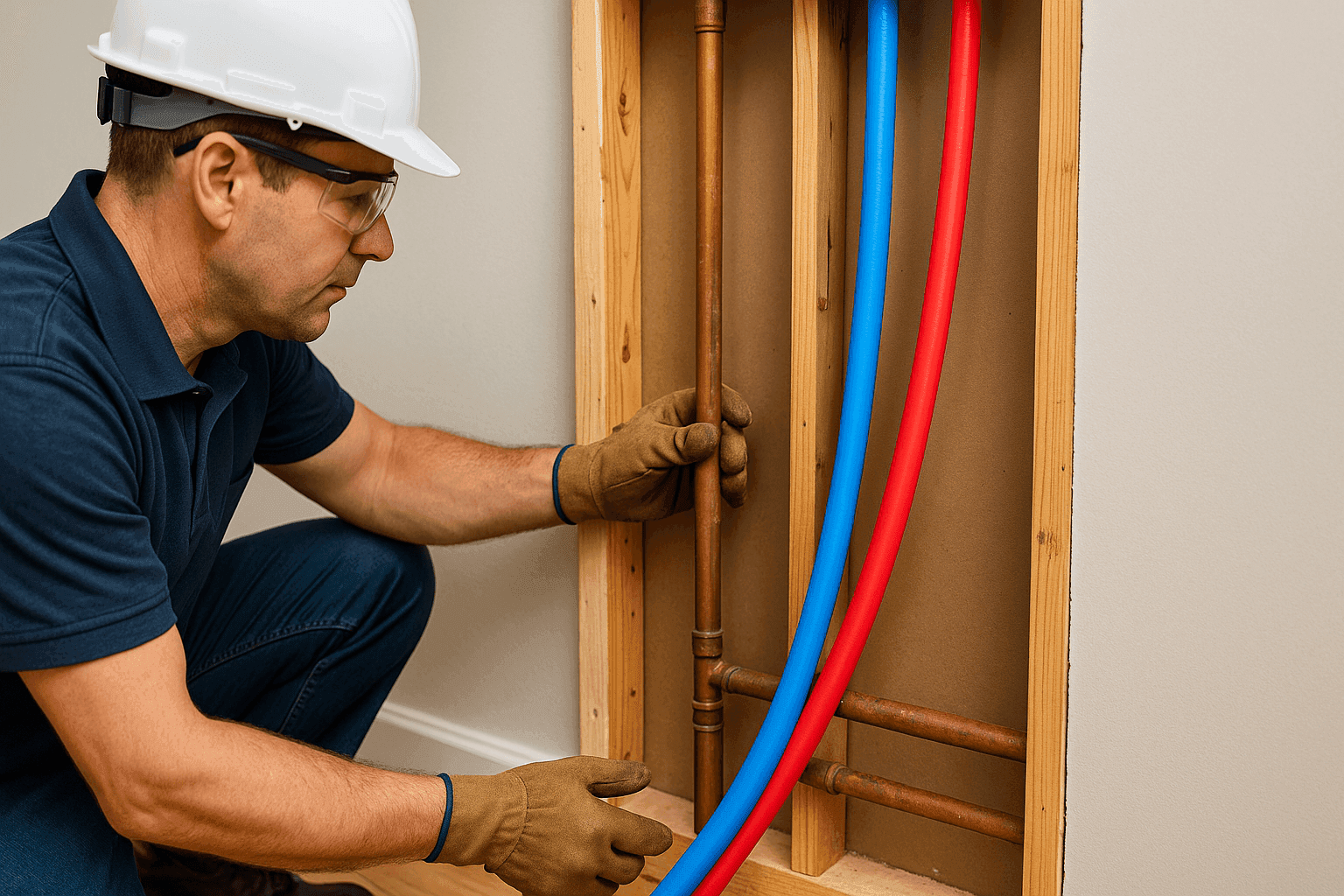
When water pipes age, trouble can bubble up anywhere. A small leak behind the walls, rusty water, or low pressure can bring daily life—or your business—to a standstill. Whether you own a home, run a busy restaurant, or manage an office, pipe problems don’t wait for a good time. That’s why Matrix Plumbing makes repiping clear, efficient, and as worry-free as possible.
Let’s dig into how long pipes actually last, what to watch for, and what happens when you need to replace them. This isn’t just about plumbing. It’s about protecting your property, your health, and your peace of mind.
How Long Do Pipes Last? ⏳
Pipes are like the veins of your building—out of sight, but always working. But even the toughest pipes wear out. Their lifespan depends on the material, the water running through them, and a bit of luck.
- Galvanized steel: 40–60 years, but prone to rust and buildup.
- Copper: 50+ years, but sensitive to acidic water.
- PVC/CPVC: 40–70 years. Tough, but sunlight and heat can weaken them.
- PEX: 40+ years, flexible and modern.
- Cast iron (often for drains): 75–100 years, but can corrode from the inside.
Hard water, poor installation, and even local soil can speed up wear. For most homes and commercial buildings, pipes installed before the 1980s are prime suspects for repiping.
Tip: Check property records or ask a pro about your building’s pipe materials and age.
Signs You Need Repiping 🕵️♂️
Pipes rarely shout for attention. More often, they whisper—one drip, stain, or odd smell at a time. Here are the red flags:
- Discolored water: Brown, red, or yellow water means rust or corrosion.
- Low water pressure: Not just annoying—often a sign of buildup or leaks.
- Recurring leaks: Patching doesn’t last forever. Frequent repairs mean pipes are tired.
- Noisy pipes: Banging, whistling, or gurgling can point to serious issues.
- Visible corrosion: Green or white crust on copper, rust on steel.
- Mold or wet spots: Even a small leak can feed mold behind walls.
Commercial properties may notice higher water bills, slow fixture performance, or water damage in less-used areas. Don’t ignore these clues—small problems can turn into emergencies overnight.
Repiping Process Step-by-Step 🛠️
Worried about chaos? Matrix Plumbing follows a detailed process to keep things orderly, safe, and clean for both homes and businesses.
1. Inspection & Planning
- Visual checks, water pressure tests, and sometimes camera inspections (especially for sewer lines).
- Discussing your needs—are you remodeling, expanding, or fixing ongoing issues?
- Careful mapping to minimize wall or floor disruption.
2. Preparation
- Covering floors and furniture. Sealing off work zones for safety and cleanliness.
- Shutting off water only where needed, so you aren’t left high and dry.
- Permits pulled according to local plumbing codes (always check with your city or county).
3. Removal of Old Pipes
- Cutting small access holes, not gutting whole rooms.
- Removing old pipes safely—especially if there’s lead or asbestos (handled per EPA and OSHA guidelines).
4. Installing New Pipes
- Precise measuring and fitting. Every connection checked twice.
- Using pipe hangers, brackets, and insulation as needed.
- Pressure testing new lines before closing walls.
5. Restoration & Clean-up
- Patching and painting walls, replacing tiles or panels where necessary.
- Full debris removal. Cleanup so thorough, you shouldn’t find a dust bunny left behind.
Matrix Plumbing promises: every job meets current plumbing standards, and we uphold strict cleanliness—just like we would in our own homes.
Materials Compared: What’s Right for You? 🔍
Not all pipes are created equal. Choosing the right one depends on your building, budget, and long-term needs.
Copper
- Pros: Long-lasting, resists bacteria, tolerates heat.
- Cons: Costly, can corrode with acidic water.
PEX (Cross-linked Polyethylene)
- Pros: Flexible, easy to install, resists freeze damage, affordable.
- Cons: Sensitive to UV light (not for outside), may not be code-approved in every area.
CPVC/PVC
- Pros: Won’t rust, lightweight, cost-effective.
- Cons: Can crack with freezing, not as durable in hot water as PEX or copper.
Galvanized Steel
- Pros: Once the standard, strong.
- Cons: Heavy, rusts over time, rarely used in new projects.
Cast Iron
- Pros: Quiet, durable for drains.
- Cons: Heavy, can corrode, mostly for waste lines.
Tip: Always review local codes (like the Uniform Plumbing Code or International Plumbing Code) and ask your plumber about what’s best for your location and water quality.
Project Timeline & Disruption ⏰
Repiping sounds big. And it is. But with experience and planning, the process is smoother than you think.
- Residential single-family home: Usually 2–5 days.
- Commercial building: Can range from a week to several weeks, depending on size and complexity.
What to expect:
- Water shut off in sections, not all at once.
- Access holes in walls/ceilings (patched after).
- Some noise and dust, but we seal and protect rooms.
- Daily cleanup. Workspace left safe at the end of each day.
Matrix Plumbing backs our workmanship with clear, written warranties—ask for details during your estimate.
Quick Safety Checklist
Before any pipe replacement, safety comes first. Here’s what to confirm:
- Are materials lead-free and code-compliant?
- Is asbestos present in old pipe insulation (especially in pre-1980s buildings)?
- Are fire sprinklers, gas lines, and electrical wires marked and protected?
- Will work areas be ventilated, especially for soldering or adhesives?
- Are all permits visible onsite?
For businesses, OSHA requirements apply on larger jobs. Homeowners should check with their municipality for inspection needs.
DIY vs. Call a Pro
A loose faucet? Maybe a DIY job. But full repiping? That’s a mountain, not a molehill.
Risks of DIY repiping:
- Code violations (local authorities can require full rework).
- Insurance coverage issues if pipes aren’t professionally installed.
- Safety hazards: lead, asbestos, or even gas lines in mixed-use buildings.
- Missed leaks or faulty connections—can cost thousands in water damage.
Best for pros: Emergency plumbing, water heater installation near you, and full repiping should always be handled by licensed, insured professionals with the right tools and safety training.
What Pros Do On Arrival
- Confirm the problem and map out your system.
- Shut off water safely, identify emergency shutoffs.
- Use moisture meters, cameras, and pressure gauges to spot hidden issues.
- Protect floors, valuables, and work areas.
- Communicate every step, so you’re never left guessing.
- Handle all debris and leave your property clean.
Prevention & Maintenance
A little attention now can save you a flood later.
- Schedule annual plumbing inspections (especially for older properties).
- Watch your water bill—unexplained spikes often mean leaks.
- Install water leak sensors in basements and behind appliances.
- Flush water heaters and check for rust or sediment.
- For commercial properties, add plumbing checks to your regular maintenance calendar.
Refer to the EPA’s Lead and Copper Rule and your local water authority for guidance on safe drinking water and pipe replacement programs.
Costs & Time Factors (Ranges, Not Quotes)
Repiping isn’t a one-size-fits-all project. Several factors affect the cost and time:
- Pipe material: Copper costs more than PEX. Cast iron is pricier for waste lines.
- Access: More walls or floors to open increases labor.
- Building size: A small house vs. a large office complex—big difference.
- Local codes/permits: Some areas require more inspections or specialized materials.
- After-hours emergency plumbing: Costs may be higher for urgent, off-hours jobs.
Ask for a detailed estimate. Reputable plumbers will walk you through the process, materials, and all allowable costs.
When It’s an Emergency 🚨
Sometimes, a pipe bursts at midnight. Or a leak floods a retail floor just before opening.
Emergency plumbing situations:
- Sudden loss of water pressure.
- Water spraying or pooling unexpectedly.
- Sewage backups or strong odors.
- Gas line leaks (call emergency services immediately!).
In these cases, Matrix Plumbing responds 24/7. Fast action minimizes damage, and our teams are trained to isolate and repair issues on the spot—so you can get back to normal, fast.
FAQ: Repiping for Homes & Businesses
How do I know if I need repiping or just a repair?
If you’re facing leaks in multiple locations, frequent patching, or widespread corrosion, repiping is the long-term fix. For isolated leaks, a targeted repair might do.
Can I stay in my home or keep my business open during repiping?
Often, yes—especially for residential jobs. Water can be restored in sections, and we work to minimize downtime. For commercial spaces, we can phase work to avoid business disruptions.
Will repiping increase my property value?
Absolutely. Modern, code-compliant pipes reassure buyers and tenants, and can lower insurance costs and future plumbing expenses.
What about water safety?
New pipes remove risks of lead, rust, and bacterial buildup. Matrix Plumbing follows all health and safety codes, so your water stays clean and safe.
Local/Seasonal Considerations
Cold winters? Older pipes are at higher risk of bursting. In humid climates, corrosion can speed up. In drought-prone areas, water conservation measures may affect pipe sizing and materials.
If you have a unique property—historic, mixed-use, or in an area with shifting soils—Matrix Plumbing can recommend materials and installation techniques to match your needs.
When pipes fail, every minute counts. Don’t let hidden leaks or old lines disrupt your life or business. For safe, efficient repiping—and clean, code-compliant workmanship—Matrix Plumbing is always here to help.
Call Matrix Plumbing now — or reach us anytime at 855-506-6855 .