Sewer Line Problems: Warning Signs, Fixes, and Prevention
Sewer line problems never arrive at a convenient time. They creep up, quietly at first—then suddenly, you’re dealing with a mess you can’t ignore. Whether you’re a homeowner or running a busy commercial property, these issues threaten your health, your comfort, and your investment.
At Matrix Plumbing, we see firsthand how early action, smart prevention, and the right technology can turn a looming crisis into a manageable fix. Here’s what every property owner should know about sewer line trouble, from warning signs to prevention.
Common Sewer Line Issues 🚧
Sewer lines are the silent workhorses of any property. But when things go wrong, they shout for attention—in ways you can’t ignore.
- Clogs and Blockages: Grease, debris, or even tree roots can pile up, blocking the flow like a beaver dam in a river.
- Cracks and Breaks: Old pipes, shifting soil, or freezing temperatures can crack or collapse lines.
- Corrosion: Older metal pipes, especially in historic homes or buildings, can rust from the inside out.
- Sags or “Bellies”: Over time, parts of the pipe may sink, collecting waste and water.
- Infiltration by Roots: Tree roots seek out water. If your line has a tiny crack, roots will grow inside, causing blockages and bursts.
Left unchecked, these issues can lead to much bigger problems—sewage backups, property damage, and even health hazards.
Health Risks and Property Damage
When sewer lines malfunction, it’s not just about inconvenience. Raw sewage carries bacteria, viruses, and parasites that can cause serious illnesses (see CDC guidance on sewage exposure). Backups or leaks can ruin floors, walls, and even foundation structures—repairs that go way beyond simple plumbing fixes.
Early Warning Signs
How do you know trouble is brewing below the surface? Sewer lines rarely fail without warning. Here’s what to watch for:
- Slow Drains: If every sink, shower, or toilet in your home starts draining like molasses, the problem likely runs deeper than a simple clog.
- Foul Odors: Notice a persistent rotten egg or musty smell, especially near drains? That’s often a sign of a leak or backup.
- Gurgling Sounds: Bubbling or gurgling noises from toilets and drains mean air is trapped—usually by a blockage.
- Backups and Overflows: Water or waste coming up where it shouldn’t (especially in the basement or lowest drains) is a red flag.
- Lush Spots in the Yard: If one patch of grass is thriving year-round, you might have a hidden leak feeding it.
Think of these as your sewer’s “check engine” light. The sooner you notice, the less damage you’ll face down the line.
Inspection & Diagnosis 🔎
When warning signs appear, guesswork can cost you. That’s why Matrix Plumbing uses advanced tools to get answers fast.
How Sewer Line Inspections Work
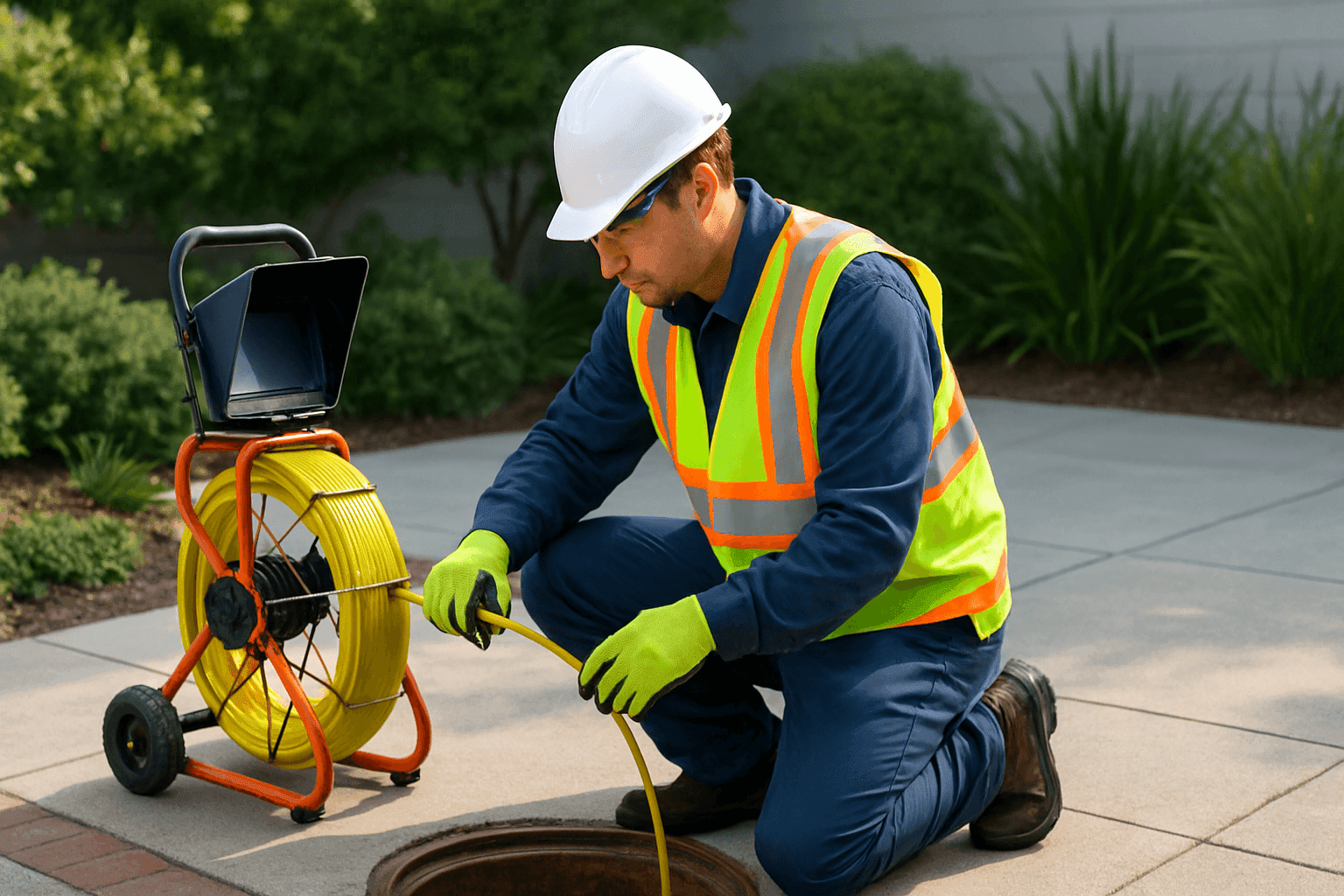
- Video Camera Inspection: A small, waterproof camera snakes through your pipes, showing real-time images of cracks, blockages, and more. It’s like a colonoscopy for your plumbing—no digging required.
- Smoke Testing: Non-toxic smoke is pushed through your pipes. If it escapes, you’ve got a leak.
- Electronic Leak Detection: Sensitive equipment pinpoints leaks by “listening” for escaping water, even behind walls or underground.
- Pressure Testing: Used to check for subtle leaks or weaknesses in commercial systems.
Why Early Diagnosis Matters
The longer a problem festers, the more expensive and disruptive repairs become. Thorough inspection means you fix only what’s broken—saving both time and money.
Repair Options
Fixing a sewer line isn’t what it used to be. Thanks to new technology, many repairs cause less mess and disruption.
Trenchless Repair: Minimal Mess
- Pipe Lining: A flexible sleeve coated with special resin is inserted into the damaged pipe, then hardened into a new “pipe within a pipe.” Great for cracks and minor breaks.
- Pipe Bursting: If a pipe is too far gone, a new pipe is pulled through the old one, breaking the damaged pipe apart as it goes.
- Spot Repairs: For isolated breaks, only the affected section is replaced.
Traditional Sewer Line Replacement
Sometimes, old lines or severe collapses require replacing sections the old-fashioned way—digging a trench, removing the old pipe, and installing new. While more disruptive, it’s sometimes the only safe fix.
Choosing the Right Solution
Every property is different. At Matrix Plumbing, we assess the scope, age of your system, local codes, and your timeline before recommending a plan. We use technology to minimize disruption—whether you need Water Heater Installation near you, or a full sewer overhaul.
Prevention Tips
An ounce of prevention is worth a ton of repairs. Here’s how to keep your sewer line healthy:
- Limit What Goes Down the Drain: Avoid flushing wipes, grease, or anything that doesn’t dissolve easily.
- Regular Inspections: Have your lines checked every 1–2 years—especially before buying or selling property.
- Tree Placement: Plant trees away from sewer lines. Root barriers can help if you already have mature trees nearby.
- Install Backflow Prevention Devices: These stop sewage from flowing the wrong way during floods or blockages.
- Schedule Preventative Maintenance: Professional drain cleaning removes buildup before it becomes a problem.
- Address Water Pressure Issues: High water pressure can stress pipes, leading to cracks.
- Winterize Pipes: In cold climates, insulate pipes to prevent freezing and bursting.
Staying proactive means fewer emergencies—and less risk of unpleasant surprises.
Quick Safety Checklist
- If you see water backing up, stop using all plumbing fixtures immediately.
- Don’t touch standing water—sewage can contain dangerous bacteria.
- Ventilate the area if you notice strong odors.
- Keep children and pets away from affected areas.
- Call emergency plumbing help if there’s a backup or visible leak.
DIY vs. Call a Pro
A plunger can handle a minor clog. But when every drain is slow, or sewage is backing up, it’s time to step aside.
When to Try DIY
- A single slow drain (try a plunger or drain snake)
- Minor odor (run hot water or vinegar down the drain)
When to Call Matrix Plumbing
- Multiple slow drains at once
- Recurring clogs (they keep coming back)
- Any sign of backup or flooding
- Foul odors that don’t go away
- Water pooling in the yard or basement
Some problems are more than skin deep. Professional inspection and emergency plumbing services prevent a minor problem from becoming a nightmare.
What Pros Do On Arrival
When Matrix Plumbing arrives, here’s what you can expect:
- Assessment: We ask about symptoms, history, and recent work.
- Visual Inspection: Checking all accessible drains, fixtures, and visible pipes.
- High-Res Camera Inspection: Pinpointing blockages, cracks, or root invasion.
- Leak Detection: Using specialized tools to find hidden leaks.
- Clear Explanation: We show you the camera footage, explain what’s wrong, and discuss your options—no jargon, just facts.
- Action Plan: Fast, effective repairs—whether it’s a quick cleanout or a major fix.
Our team uses state-of-the-art equipment for inspection, leak detection, and repair, minimizing mess and maximizing results.
Costs & Time Factors
No two sewer repairs are alike. Costs and time depend on:
- Problem Severity: Minor clogs might be cleared in an hour. Major breaks can take days.
- Repair Type: Trenchless fixes are faster and less invasive than traditional digging.
- Access: Lines under driveways, patios, or commercial foundations take longer.
- Parts and Permits: Some repairs require city inspection or special parts.
It’s always less expensive—and less stressful—to catch issues early.
When It’s an Emergency
Certain problems can’t wait:
- Sewage backing up into sinks, tubs, or floors
- Persistent foul odors (especially gas smells—call for gas safety checks immediately)
- Gushing leaks or visible pipe breaks
- Flooding in basements or crawl spaces
In these situations, call emergency plumbing services for immediate help. Fast action protects your health and property.
FAQ
How often should I have my sewer line inspected?
For most properties, every 1–2 years is a good rule—more often if your building is older, you have trees nearby, or you’ve had past issues.
Are trenchless repairs as durable as traditional methods?
Yes. When installed correctly, trenchless liners and pipes meet or exceed code requirements and can last decades (see International Plumbing Code guidelines).
What causes sewer line clogs most often?
Grease, “flushable” wipes, and tree roots top the list. Even so-called flushable products can build up over time.
How do I know if it’s a city problem or my own line?
If only your property is affected, the issue is likely on your side of the property line. If neighbors have the same problem, it may be a municipal issue. Your plumber can help you determine the source.
Local/Seasonal Considerations 🌧️
Some sewer line problems are seasonal:
- Spring: Melting snow and heavy rain can overwhelm older systems, leading to backups.
- Summer: Tree roots grow aggressively, seeking moisture in pipes.
- Fall: Leaves and yard debris can block outdoor drains and catch basins.
- Winter: Freezing temperatures can cause pipes to crack or burst.
If you live in an older home or have large trees, consider annual inspections—especially before storm season.
Sewer line problems don’t have to spell disaster. With early detection, the right tools, and a little prevention, you can keep your plumbing flowing smoothly—day or night.
Call Matrix Plumbing now — or reach us anytime at 855-506-6855 .