How to Troubleshoot and Fix Water Pressure Issues in Your Plumbing System
Is your morning shower more of a drizzle than a downpour? Maybe the kitchen tap sputters, or the washing machine takes forever to fill. Water pressure issues can sneak up on any homeowner or small business, turning daily routines into frustrating obstacles. At Matrix Plumbing, we know how disruptive this can be—and how urgent a fix often feels.
Water pressure problems aren’t just annoying. They can signal deeper trouble within your plumbing system, sometimes hinting at leaks, blockages, or even safety issues. Here’s a clear, step-by-step guide to troubleshooting and fixing water pressure issues—so you can get back to comfort and peace of mind.
Common Signs and Causes of Water Pressure Problems 🚿
Before you grab a wrench, it helps to know what you’re looking for. Water pressure issues often show up in these ways:
- Weak flow from faucets or showerheads
- Toilets that take too long to refill
- Washing machines or dishwashers underperforming
- Water that starts strong, then drops off
- Sputtering or uneven flow
These symptoms can have many causes. Some are simple, like a clogged aerator. Others are more serious, like a hidden leak or failing pressure regulator. Here are the most common culprits:
- Pipe Blockages: Mineral buildup, rust, or debris can narrow pipes, restricting flow.
- Leaks: Even a small leak can drop system pressure.
- Faulty Pressure Regulators: These devices keep water pressure steady. If they fail, you might see sudden spikes or drops.
- Municipal Supply Issues: Sometimes the problem starts outside your property—at the water main or municipal supply.
- Valve Problems: Main shut-off or supply valves that aren’t fully open can choke flow.
- Seasonal Factors: Freezing temperatures can constrict or burst pipes. Heavy seasonal use can strain older systems.
Quick Safety Checklist
Before you start poking around, safety comes first. Plumbing systems deliver water under pressure—sometimes higher than you think.
- Turn off power to electric water heaters before working near them.
- Wear gloves if you’re dealing with rusty pipes or sharp fixtures.
- Check for electrical hazards near wet areas.
- Know where your main shut-off valve is—and how to use it.
- Don’t force stuck valves—they can snap and flood a room.
- If you smell gas, leave the area and call emergency services immediately.
Always reference guidelines from the International Association of Plumbing and Mechanical Officials (IAPMO) or your local code for safe plumbing practices.
DIY Troubleshooting Steps
You don’t need a toolbox the size of a car trunk to start troubleshooting. Here’s how you can narrow down the problem:
1. Check Multiple Fixtures
Is the issue everywhere, or just one faucet? If it’s just one, the problem is likely local—think aerator clog or a bad fixture. If it’s throughout the building, it’s time to dig deeper.
2. Inspect Aerators and Showerheads
Unscrew the end of the faucet or showerhead. Rinse out any grit or mineral buildup. Sometimes, a simple cleaning brings the flow back to life.
3. Verify Main Valves
Locate your main shut-off valve and any branch valves. Make sure they’re fully open. Sometimes, a valve gets nudged during repairs and doesn’t reopen all the way.
4. Test Water Pressure With a Gauge
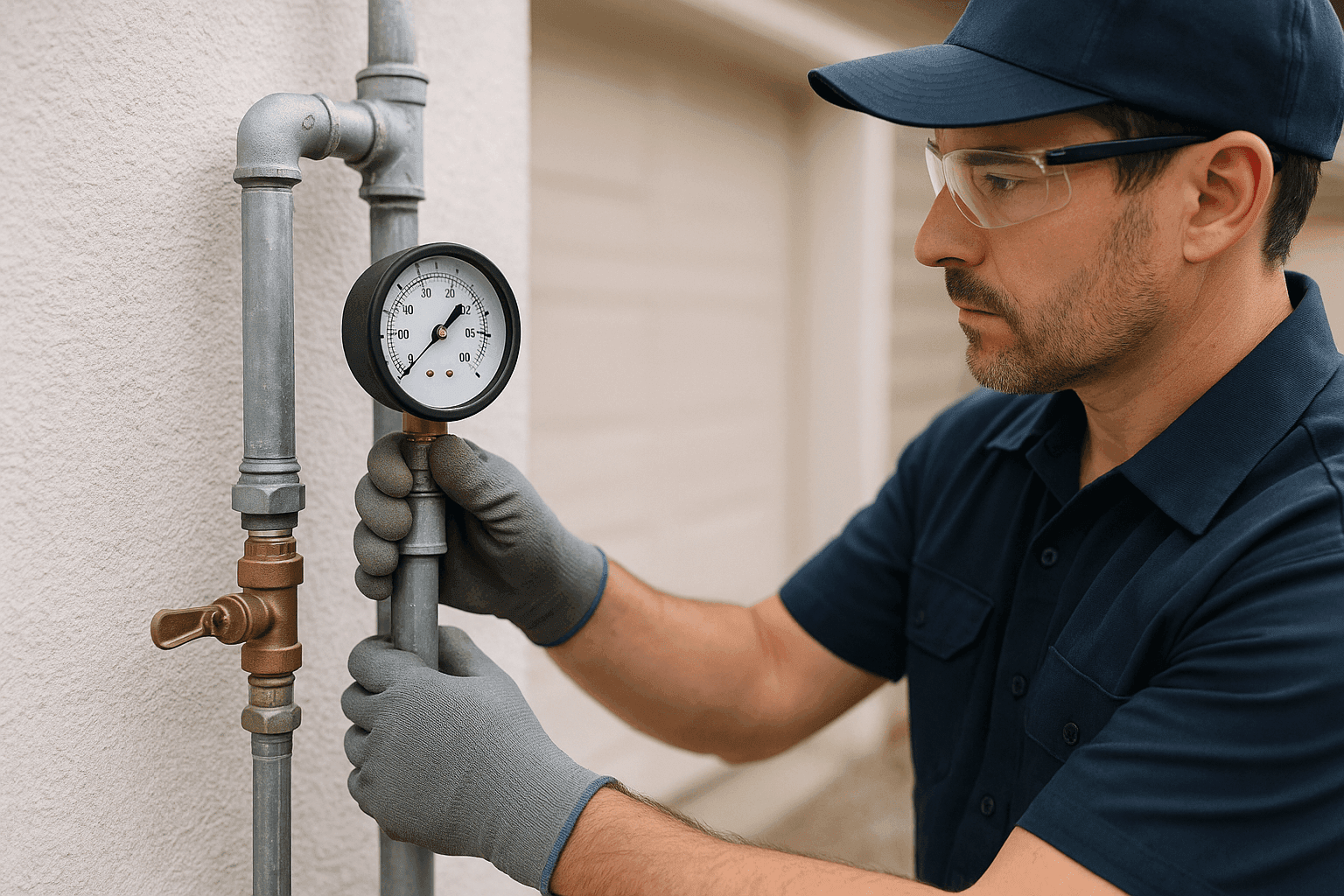
Pick up a water pressure gauge from a hardware store. Attach it to an outside spigot or laundry faucet. Standard residential water pressure is usually 40–80 psi (pounds per square inch). Anything below 40 can feel weak; above 80 can strain pipes and fixtures.
5. Look for Leaks
Walk your property. Check for wet spots, drips, or unexplained puddles. Listen for running water behind walls. A hidden leak can sap pressure and cause water damage.
6. Inspect the Pressure Regulator
If you have a pressure reducing valve (PRV), it’s usually found near where the main water line enters the building. If it’s old or stuck, pressure can fluctuate or drop.
7. Rule Out Municipal Supply Issues
Ask neighbors if they’re experiencing similar problems. If so, the issue may be with the municipal supply, not your plumbing.
DIY Fixes for Common Water Pressure Problems
Some fixes are simple. Others need a pro. Here are a few you might tackle yourself:
- Clean or replace aerators and showerheads.
- Clear out debris from faucet screens.
- Tighten loose fittings (but don’t overtighten).
- Open all main and branch valves fully.
- Replace old supply hoses if they’re kinked or worn.
If these steps don’t solve the issue, it’s time to consider more involved repairs—or professional help.
When to Call a Professional Plumber
If you’ve tried the basics and water pressure is still low, it’s wise to call in licensed help. Here’s when to pick up the phone:
- You suspect a hidden leak (wet walls, ceilings, or unexplained spikes in your water bill).
- The pressure regulator is faulty or you’re unsure how to adjust or replace it.
- Water pressure is dangerously high (above 80 psi), risking damage to pipes and appliances.
- You notice rusty or discolored water—this can signal corroded pipes.
- There’s a sudden, dramatic drop in pressure—especially if accompanied by noise or water damage.
Matrix Plumbing’s emergency plumbing team is available around the clock for urgent repairs.
What Plumbers Do When They Arrive
Professional plumbers bring more than just tools—they bring experience and diagnostic know-how. Here’s what to expect:
- Systematic inspection: Checking all fixtures, valves, and visible pipes.
- Pressure testing: Using calibrated gauges to pinpoint pressure loss.
- Leak detection: Using acoustic sensors or thermal imaging to find hidden leaks.
- Valve and regulator assessment: Testing and adjusting or replacing faulty regulators or shut-off valves.
- Pipe inspection: For older buildings, video cameras may be used to inspect inside pipes for blockages or corrosion.
- Code compliance: Ensuring repairs meet current safety and plumbing codes.
All work is done with safety and durability in mind, following standards from organizations like the American Society of Plumbing Engineers (ASPE).
Prevention and Maintenance Tips
A little prevention can save a lot of hassle. Here’s how to keep water pressure steady and avoid emergencies:
- Flush water heaters annually to prevent sediment buildup.
- Check and clean aerators every few months.
- Inspect exposed pipes for leaks or corrosion.
- Schedule annual plumbing inspections, especially in older buildings.
- Insulate pipes before winter to prevent freezing and bursts.
- Install a pressure regulator if your system doesn’t have one.
- Monitor your water bill for sudden increases—these can signal leaks.
Regular maintenance keeps your plumbing humming and your water pressure just right.
Costs and Time Factors
Water pressure repairs can range from quick fixes to more involved projects. Here’s what affects cost and timing:
- Simple fixes (cleaning aerators, tightening valves): Usually under an hour.
- Pressure regulator replacement: Can take 1–2 hours, depending on access.
- Leak repairs: Varies widely. Small leaks might be fixed in an hour; hidden or major leaks can require more time and wall repairs.
- Repiping or pipe repair: Larger jobs may take a day or more, especially if walls or floors need to be opened.
Labor and parts are the main cost drivers. Emergency plumbing services may involve after-hours fees.
When Water Pressure Issues Are an Emergency
Sometimes, low or fluctuating water pressure signals a true emergency. Don’t wait if you notice:
- Sudden, severe drops in pressure with water pooling or flooding
- Water stains on ceilings or walls
- Loud banging or “water hammer” sounds
- Unusual odors or discoloration in water
- Gas smell near water heaters or boilers
In these cases, turn off your main water supply and call Matrix Plumbing’s emergency plumbing service immediately.
Frequently Asked Questions
Why does my water pressure drop suddenly?
Sudden drops can be caused by a burst pipe, a failing pressure regulator, or a main supply issue. If you notice water damage or hear running water when all fixtures are off, turn off your main valve and seek help fast.
Is low water pressure dangerous?
Low pressure itself isn’t usually dangerous, but it can signal leaks that cause structural damage or mold. Consistently low pressure can also affect appliances, shortening their lifespan.
Can I adjust my own pressure regulator?
Some pressure regulators can be adjusted with a simple screw. However, improper adjustment can lead to high pressure that damages pipes or appliances. If you’re unsure, it’s best to call a licensed plumber.
What’s the normal water pressure range for homes and small businesses?
Most systems perform best between 40 and 80 psi. Anything much lower feels weak; much higher can stress your plumbing.
Special Considerations for Water Pressure Repairs
- Older plumbing systems may have galvanized steel pipes, which corrode and clog over time. Repiping might be the only solution.
- Seasonal changes—like winter freezes—can cause pressure to drop or pipes to burst. Insulate pipes and check for leaks as seasons change.
- Backflow prevention is essential for safety and may be required by code. A failed backflow preventer can affect pressure and contaminate water.
- Water filtration systems can sometimes restrict flow if filters are clogged. Replace filters regularly per manufacturer guidelines.
When in doubt, consulting a licensed plumber ensures repairs are safe, effective, and up to code.
Call Matrix Plumbing now — or reach us anytime at 855-506-6855 .